Adapting the Massage Experience for Blind Clients in HEALTH AND SKINCARE / SOMATOLOGY / BEAUTY AND NAILS / HAIR AND BEAUTY / COSMETOLOGY / MASSAGE TECHNOLOGY

Adapting the Massage Experience for Blind Clients in HEALTH AND SKINCARE / SOMATOLOGY / BEAUTY AND NAILS / HAIR AND BEAUTY / COSMETOLOGY / MASSAGE TECHNOLOGY

Massage therapy is a holistic practice that goes beyond physical discomfort. When working with blind clients, HEALTH AND SKINCARE / SOMATOLOGY / BEAUTY AND NAILS / HAIR AND BEAUTY / COSMETOLOGY / MASSAGE TECHNOLOGY therapists have a unique opportunity to provide a deeply enriching and sensory experience. By adapting traditional techniques and incorporating thoughtful communication, practitioners can ensure a massage session that caters to the specific needs of their blind clients. In this blog, we’ll suggest some key considerations and adjustments for creating a comfortable and effective massage experience.

      1. Effective Communication:

      Open-line communication is paramount in any massage session, but it takes on added significance when working with blind clients.  Introduce yourself and explain the massage process clearly and reassuringly. Use descriptive language to paint a picture of the surroundings and the massage environment, to make the client feel more at ease. Throughout the session, maintain an open line of communication, thoughtfully encouraging the client to express their preferences and any concerns they may have.


      1. Detailed Orientations:

      Guidance is paramount, your voice is the client’s eyes. Provide a thorough orientation before the massage begins. Orally guide your blind client around the massage room, highlighting the location of key features such as the massage table, chairs, and any potential obstacles. This helps build a mental map for the client, fostering a sense of spatial awareness and comfort.


      1. Adapt Techniques:

      When massaging a blind client, consider modifying your techniques to enhance their experience. Use deliberate and intentional movements. Focus on the power of touch. Utilize a variety of strokes and pressures to create a diverse sensory experience. Be attentive to the client’s feedback and adjust your approach accordingly.


      1. Consistent Routines:

      Consistency helps build trust and allows the client to relax more deeply into the session. A consistent routine can provide a sense of predictability for blind clients. Start and end the massage with the same sequence of movements, allowing the client to anticipate and fully enjoy the experience.


      1. Encourage Feedback:

      Encourage open communication and regular feedback regarding pressure, areas of focus, or even the atmosphere of the massage room to ensure that the session meets their individual needs. Ask questions about their comfort level and adjust accordingly to create a customized and enjoyable experience.


      1. Utilize Other Senses:

      Optimize the massage experience by engaging the client’s other senses. Consider adding soothing music, calming scents, or even textured fabrics into the environment. These additional sensory elements can contribute to a more immersive and enjoyable session.


      Conclusion:

      Adapting massage techniques for blind or visually impaired clients requires a thoughtful and personal approach. By emphasizing effective communication, making environmental adjustments, and incorporating sensory elements, HEALTH AND SKINCARE / SOMATOLOGY / BEAUTY AND NAILS / HAIR AND BEAUTY / COSMETOLOGY / MASSAGE TECHNOLOGY therapists can create a truly enriching experience for these clients. The power of touch becomes a gateway to relaxation, comfort, and holistic well-being for individuals with visual impairments.
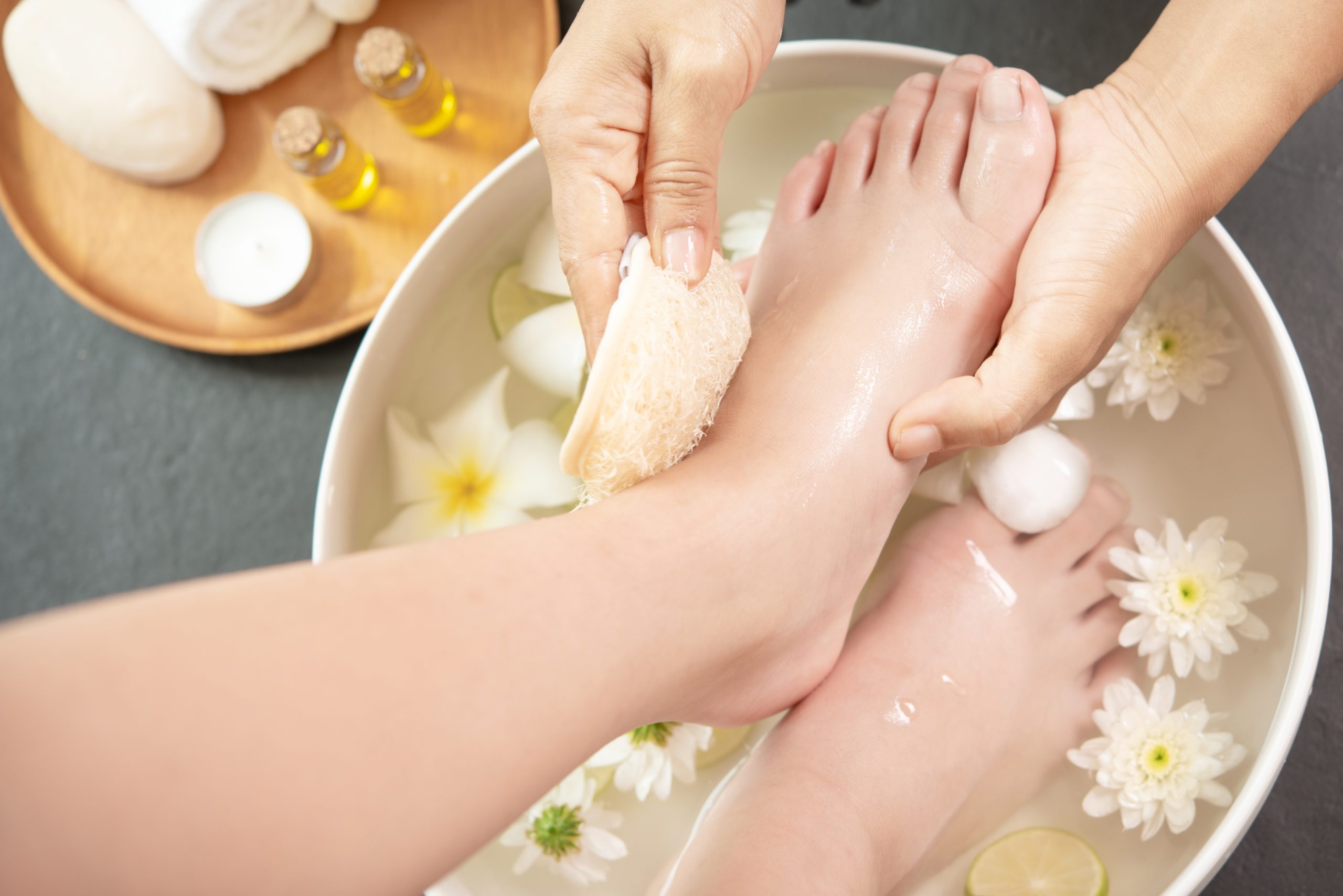
      Aesthetic Foot Care: Pampering Your Feet in Style for HEALTH AND SKINCARE / SOMATOLOGY / BEAUTY AND NAILS / HAIR AND BEAUTY / COSMETOLOGY / PROFESSIONAL MAKE-UP ARTISTRY

      Aesthetic Foot Care: Pampering Your Feet in Style for HEALTH AND SKINCARE / SOMATOLOGY / BEAUTY AND NAILS / HAIR AND BEAUTY / COSMETOLOGY / PROFESSIONAL MAKE-UP ARTISTRY

      In the world of self-care and beauty routines, the often-neglected feet are finally taking centre stage with the rise of aesthetic foot care. This transformative approach not only prioritizes style and pampering but also emphasizes optimal health and skincare for one of the hardest-working parts of our body. Let’s step into the realm of aesthetic foot care and explore how it combines indulgence with the essential principles of HEALTH AND SKINCARE / SOMATOLOGY / BEAUTY AND NAILS / HAIR AND BEAUTY / COSMETOLOGY / PROFESSIONAL MAKE-UP ARTISTRY.

        Holistic Foot Rejuvenation: Merging Aesthetics with Skin Health

        Aesthetic foot care goes beyond mere cosmetic enhancements, focusing on holistic foot rejuvenation that merges aesthetics with skin health. Traditional pedicures often stop at visual improvements, but aesthetic foot care introduces practices that nourish and promote the overall well-being of the feet. This alignment with health-centric skincare principles acknowledges the interconnectedness between external beauty and internal health.


        Luxurious Pedicures: A Treat for Both Feet and the Soul

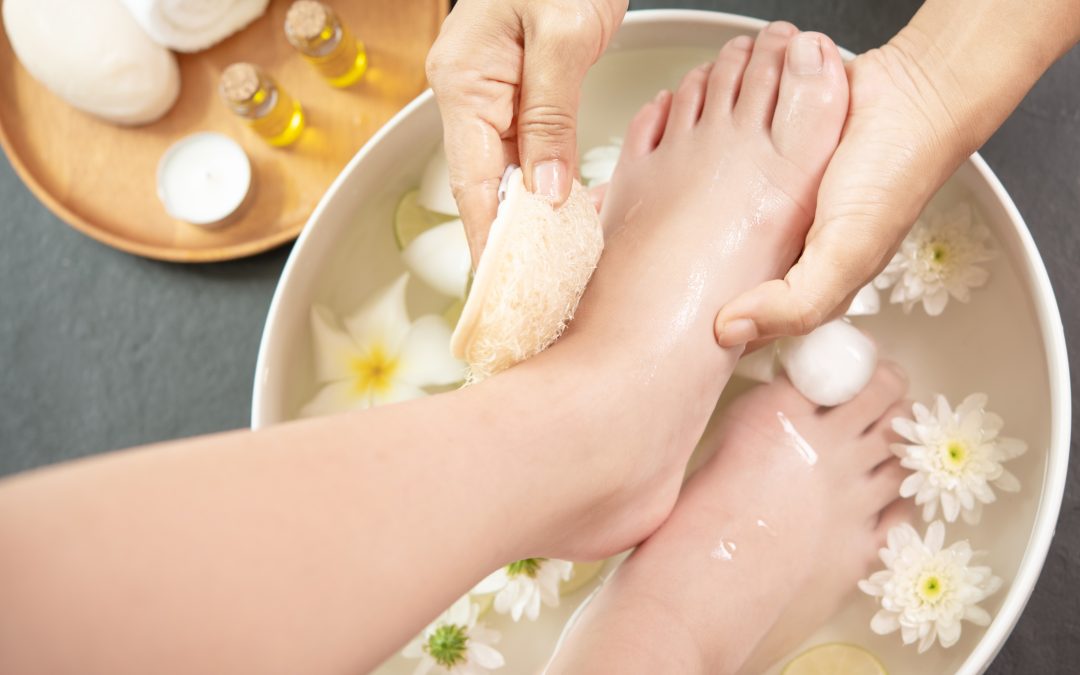
        Luxurious pedicures are at the forefront of aesthetic foot care, offering a treat not only for the feet but also for the soul. Beyond the standard nail care, these pampering sessions include exfoliation, massage, and moisturizing treatments. The indulgent experience is designed not just for aesthetics but also to promote relaxation and stress relief, recognizing the impact of foot health on overall well-being.


        Customized Treatments: Tailoring Foot Care to Individual Needs

        Aesthetic foot care recognizes the uniqueness of everyone’s feet and tailors’ treatments accordingly. Customization ensures that foot care interventions address specific concerns, respecting individual health and skincare requirements. Whether it’s addressing calluses, ingrown toenails, or dry skin, the personalized touch reinforces the commitment to promoting optimal well-being alongside aesthetic indulgence.


        Hygiene Emphasis: Aesthetic Cleanliness for Foot Health

        Cleanliness and hygiene take centre stage in aesthetic foot care, acknowledging the importance of maintaining healthy feet. Beyond the visual appeal, a focus on hygiene ensures that feet are protected from infections and conditions that may arise from neglect. The aesthetic cleanliness aligns with health-centric skincare, promoting the prevention of issues rather than merely addressing them after they arise.


        Foot Massage Techniques: Relaxation for Both Body and Mind

        Aesthetic foot care incorporates massage techniques that extend beyond relaxation to offer holistic benefits for the body and mind. Foot massages not only soothe tired muscles but also promote better circulation and alleviate stress. This comprehensive approach acknowledges the role of foot health in overall well-being, making aesthetic foot care a delightful experience for both body and mind.


        Post-Treatment Care: Nurturing Foot Health Beyond the Salon

        An integral part of aesthetic foot care is post-treatment care. After luxurious pedicures or customized treatments, diligent foot care practices become crucial for optimal healing and sustained results. Moisturizing, proper nail care, and wearing supportive footwear are essential steps in nurturing the feet post-aesthetic treatments, further emphasizing the commitment to overall health.


        Conclusion: Aesthetic Foot Care as a Step Towards Wellness

        In conclusion, aesthetic foot care is a transformative step towards wellness that combines pampering with HEALTH AND SKINCARE / SOMATOLOGY / BEAUTY AND NAILS / HAIR AND BEAUTY / COSMETOLOGY / PROFESSIONAL MAKE-UP ARTISTRY. The emphasis on holistic foot rejuvenation, luxurious pedicures, customized treatments, hygiene, foot massage techniques, and post-treatment care makes aesthetic foot care a delightful and essential aspect of self-care. As individuals indulge in the pampering of their feet, they not only enhance their external beauty but also prioritize the vibrant health of an often-underappreciated part of their body—a perfect fusion of style, indulgence, and overall well-being.

        Decoding Acne: Unveiling Types and Treatments for Holistic HEALTH AND SKINCARE / SOMATOLOGY

        Decoding Acne: Unveiling Types and Treatments for Holistic HEALTH AND SKINCARE / SOMATOLOGY

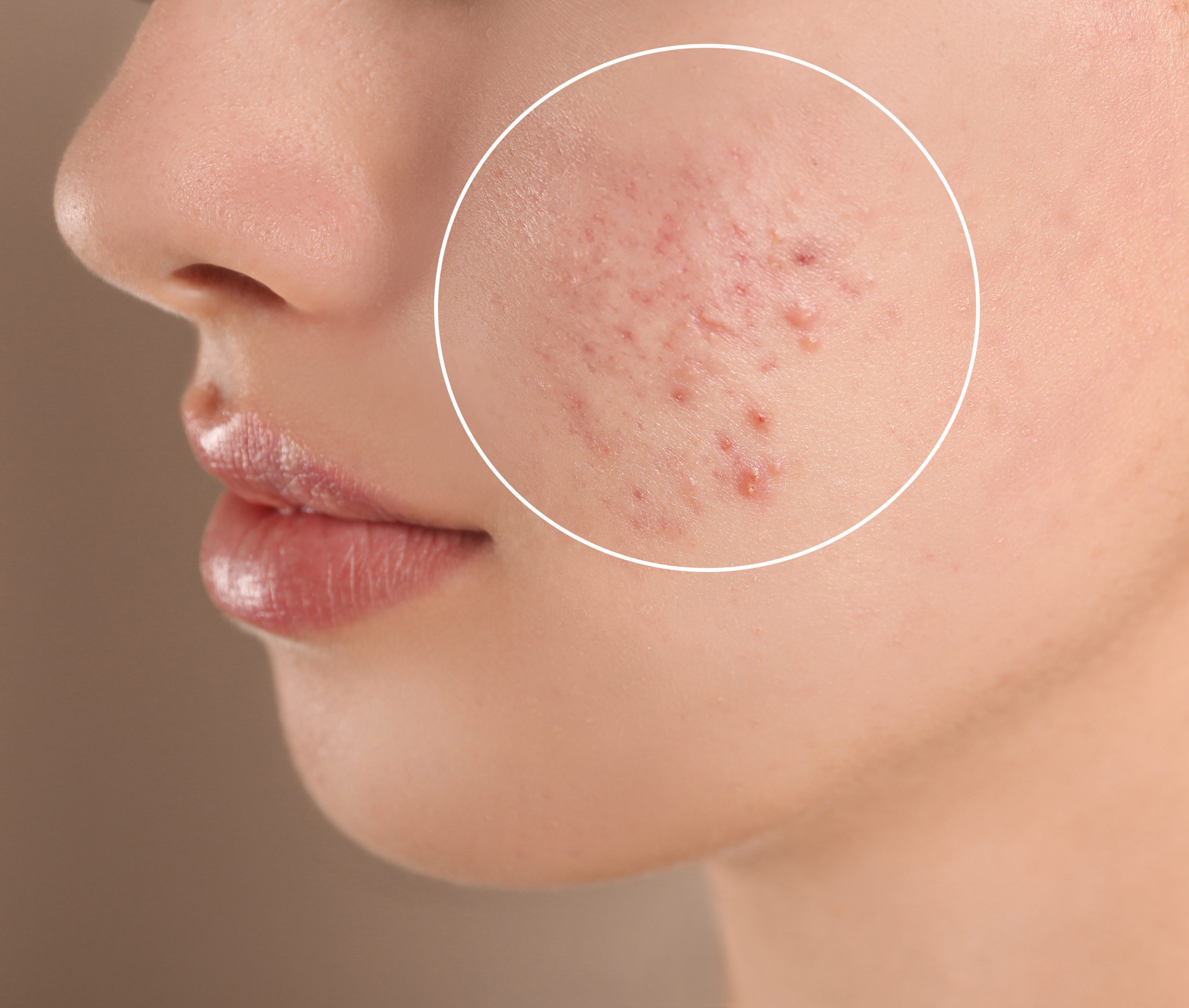
        In the intricate world of HEALTH AND SKINCARE / SOMATOLOGY, understanding acne is pivotal for cultivating holistic well-being. Acne, a common skin condition, can have profound effects on an individual’s confidence and self-esteem. Through the lens of somatology and the interconnected realms of beauty and nails, let’s delve into the various types of acne and explore effective treatments that extend beyond surface-level solutions.

          Types of Acne:

          Whiteheads and Blackheads (Comedones):

          Whiteheads occur when pores become clogged with oil and skin cells, resulting in closed, small bumps.

          Blackheads, on the other hand, are open comedones with a dark appearance due to exposure to air.

          Papules:

          Papules are small, raised bumps without visible pus. They may appear pink or red and are a result of inflamed and irritated skin.

          Pustules:

          Pustules are like papules but contain pus at their tips. They often appear as red bumps with a white or yellow center.

          Nodules:

          Nodules are larger, solid, painful lumps beneath the surface of the skin. They result from the buildup of oil and debris in the pores.

          Cysts:

          Cysts are deep, painful, pus-filled lesions that can cause scarring. They often require professional intervention for proper treatment.


          Holistic Approaches to Acne Treatment:

          Skincare Routine:

          A comprehensive skincare routine, emphasizing gentle cleansing and non-comedogenic products, is fundamental in managing acne. Incorporating somatology principles, which acknowledge the interconnectedness of skin health and overall well-being, can guide the selection of products suitable for individual skin types.

          Dietary Considerations:

          Nutrition plays a crucial role in health and skincare. A balanced diet rich in antioxidants, vitamins, and minerals contributes to overall skin health. Hydration is equally vital for maintaining skin elasticity and promoting a clear complexion.

          Professional Treatments:

          Beauty and nails professionals can offer specialized treatments such as chemical peels, microdermabrasion, and laser therapy to address acne concerns. These treatments go beyond surface-level care, penetrating deeper layers of the skin to promote healing and renewal.

          Topical Treatments:

          Incorporating topical treatments containing ingredients like salicylic acid, benzoyl peroxide, or retinoids can aid in managing acne. These treatments, when used under the guidance of skincare professionals, address specific concerns, and promote clearer skin.

          Stress Management:

          Recognizing the connection between stress and acne is crucial. Somatology principles highlight the impact of emotional well-being on physical health. Practices like mindfulness, yoga, and adequate sleep can contribute to stress reduction and, consequently, improved skin health.


          In conclusion, understanding and treating acne requires a multifaceted approach that embraces the principles of HEALTH AND SKINCARE / SOMATOLOGY, and beauty and nails. By acknowledging the interconnected nature of skin health with overall well-being, individuals can embark on a journey towards clearer, healthier skin that extends beyond surface-level solutions, fostering confidence and self-assurance.

          Unveiling the Complex Landscape: Why Animal Testing in Beauty Products Persists in HEALTH AND SKINCARE / SOMATOLOGY / BEAUTY AND NAILS / HAIR AND BEAUTY / COSMETOLOGY / PROFESSIONAL MAKE-UP ARTISTRY

          Unveiling the Complex Landscape: Why Animal Testing in Beauty Products Persists in HEALTH AND SKINCARE / SOMATOLOGY / BEAUTY AND NAILS / HAIR AND BEAUTY / COSMETOLOGY / PROFESSIONAL MAKE-UP ARTISTRY

          In the realm of HEALTH AND SKINCARE / SOMATOLOGY / BEAUTY AND NAILS / HAIR AND BEAUTY / COSMETOLOGY / PROFESSIONAL MAKE-UP ARTISTRY and cosmetics, the ethical considerations surrounding animal testing have long been a point of contention. While awareness about cruelty-free practices has grown, the reality remains that testing beauty products on animals is still legal in various regions. Unravelling the reasons behind this persistence involves navigating a complex landscape shaped by regulatory frameworks, industry practices, and evolving scientific alternatives.

            Regulatory Requirements:

            One of the primary reasons for the continued legality of animal testing lies in regulatory requirements imposed by different countries. In certain regions, health, and safety agencies mandate animal testing to assess the potential risks and safety of cosmetic ingredients. These regulations, often established decades ago, have been slow to adapt to evolving scientific advancements in alternative testing methods.


            Global Discrepancies:

            The beauty industry operates on a global scale, and the absence of a unified stance on animal testing regulations exacerbates the issue. While some countries have banned or restricted animal testing for cosmetics, others continue to permit it. This inconsistency creates challenges for international companies striving to comply with varying legal frameworks while maintaining a global market presence.


            Scientific Validity Concerns:

            Critics argue that animal testing persists due to lingering skepticism about the validity and reliability of alternative testing methods. Some regulatory bodies may be hesitant to fully endorse new technologies without extensive validation, contributing to the continued reliance on animal testing for safety assessments.


            Lack of Public Awareness:

            While awareness of cruelty-free practices has increased, there remains a gap in public understanding about the prevalence of animal testing and its legal status. In some regions, consumers may not be fully aware of the ethical implications of their beauty product choices, leading to a lack of demand for cruelty-free alternatives.


            Industry Inertia:

            The beauty industry has historically operated within established norms, and institutional inertia can slow the adoption of new practices. Some companies may be reluctant to invest in the development and implementation of alternative testing methods, especially when traditional animal testing has been a long-standing industry practice.


            Progress in Alternative Methods:

            Despite the challenges, there has been significant progress in developing alternative testing methods that don’t involve animals. In vitro testing, computer modelling, and skin culture technologies are gaining traction as viable alternatives. However, the transition to these methods requires overcoming regulatory hurdles and industry-wide adoption.


            Conclusion:

            The legality of testing beauty products on animals is a multifaceted issue shaped by regulatory complexities, global discrepancies, and industry practices. While progress has been made with bans on animal testing in some regions, the road to a universally cruelty-free beauty industry is still in the making. As consumers become more informed and advocacy for ethical practices grows, there is hope for a future where alternatives to animal testing become the norm, aligning beauty with compassion and innovation. In the meantime, supporting cruelty-free brands and advocating for legislative changes contribute to the collective effort toward a more humane and sustainable HEALTH AND SKINCARE / SOMATOLOGY / BEAUTY AND NAILS / HAIR AND BEAUTY / COSMETOLOGY / PROFESSIONAL MAKE-UP ARTISTRY industry.

            Navigating Allergies and Sensitivities: Understanding Lash Extensions and Your Eyes in HEALTH AND SKINCARE / SOMATOLOGY / BEAUTY AND NAILS / HAIR AND BEAUTY / COSMETOLOGY / PROFESSIONAL MAKE-UP ARTISTRY

            Navigating Allergies and Sensitivities: Understanding Lash Extensions and Your Eyes in HEALTH AND SKINCARE / SOMATOLOGY / BEAUTY AND NAILS / HAIR AND BEAUTY / COSMETOLOGY / PROFESSIONAL MAKE-UP ARTISTRY

            Lash extensions have become a go-to beauty accessory for many, promising to enhance natural lashes and create captivating eyes. However, it’s essential to acknowledge that, like any HEALTH AND SKINCARE / SOMATOLOGY / BEAUTY AND NAILS / HAIR AND BEAUTY / COSMETOLOGY / PROFESSIONAL MAKE-UP ARTISTRY procedure, lash extensions may be associated with allergies and sensitivities in some individuals. In this blog post, we’ll explore the factors related to allergies and sensitivities concerning lash extensions, providing insight into how to navigate these concerns for a safe and enjoyable lash experience.

                Understanding Adhesive Sensitivities:

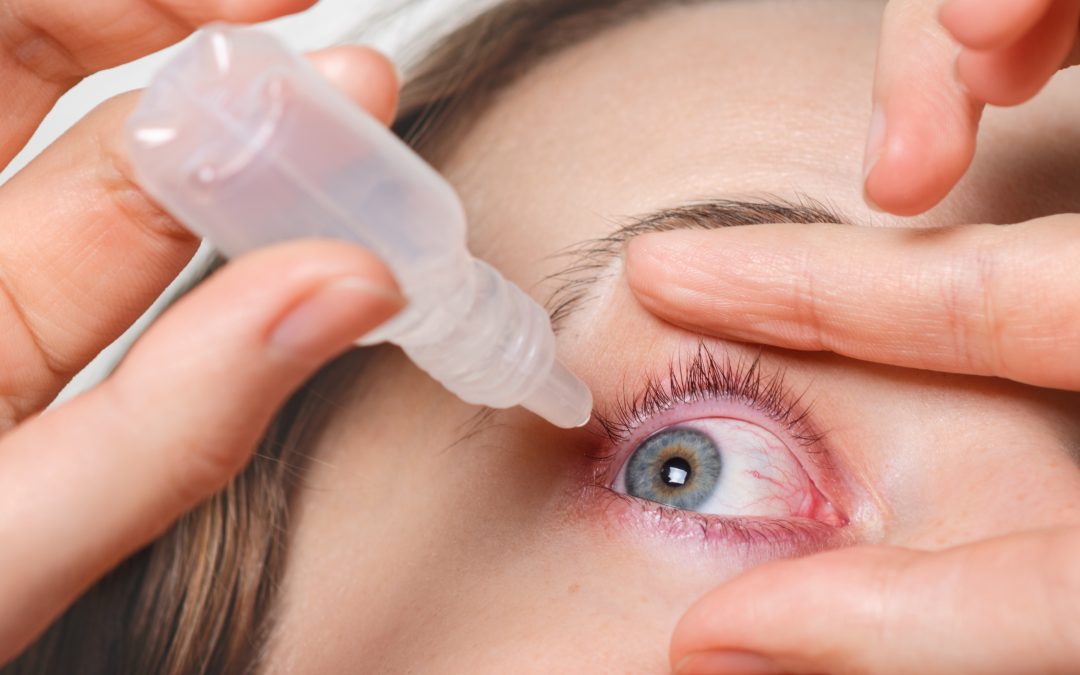
                One of the primary culprits when it comes to allergies or sensitivities with lash extensions is the adhesive used in the application process. Lash adhesives contain cyanoacrylate, a powerful bonding agent. While modern adhesives are formulated to be hypoallergenic, it’s crucial to recognize that sensitivities can still occur, and individual reactions vary.


                Patch Testing: A Prudent Approach:

                To mitigate the risk of adverse reactions, reputable HEALTH AND SKINCARE / SOMATOLOGY / BEAUTY AND NAILS / HAIR AND BEAUTY / COSMETOLOGY / PROFESSIONAL MAKE-UP ARTISTRY technicians often conduct patch tests before a full application. During a patch test, a small amount of adhesive is applied to an inconspicuous area, typically behind the ear, to check for any signs of redness, irritation, or swelling. Clients are advised to wait 24 to 48 hours to ensure they don’t experience an adverse reaction before proceeding with a full set of lash extensions.


                Materials Matter:

                The materials used for lash extensions can also contribute to sensitivities. Extensions are commonly made from silk, mink, or synthetic materials. While silk and mink lashes are often preferred for their soft and natural appearance, some individuals may have sensitivities to these materials. In such cases, synthetic lashes may be recommended as an alternative.


                Pre-existing Allergies and Conditions:

                Individuals with pre-existing allergies or sensitive skin conditions may be more prone to experiencing discomfort with lash extensions. It’s essential to communicate any allergies or skin conditions to your lash technician before the application process. This information allows the technician to make informed decisions about the choice of materials and adhesives, reducing the risk of adverse reactions.


                Preventive Measures and Aftercare:

                To minimize the risk of sensitivities, follow proper aftercare instructions provided by your lash technician. This includes avoiding oil-based products around the eye area, refraining from rubbing or pulling on the lashes, and promptly addressing any signs of irritation.


                Seek Professional Advice:

                If you notice redness, itching, or discomfort after getting lash extensions, it’s crucial to seek professional advice promptly. Your lash technician can assess the situation, recommend appropriate remedies, or, if necessary, remove the extensions to alleviate any discomfort.


                In conclusion, while lash extensions can be a beautiful enhancement, it’s vital to approach the process with awareness and caution. By understanding potential allergies and sensitivities, undergoing patch testing, and communicating openly with your HEALTH AND SKINCARE / SOMATOLOGY / BEAUTY AND NAILS / HAIR AND BEAUTY / COSMETOLOGY / PROFESSIONAL MAKE-UP ARTISTRY technician, you can enjoy the transformative beauty of lash extensions with confidence, ensuring a safe and delightful experience for your eyes.