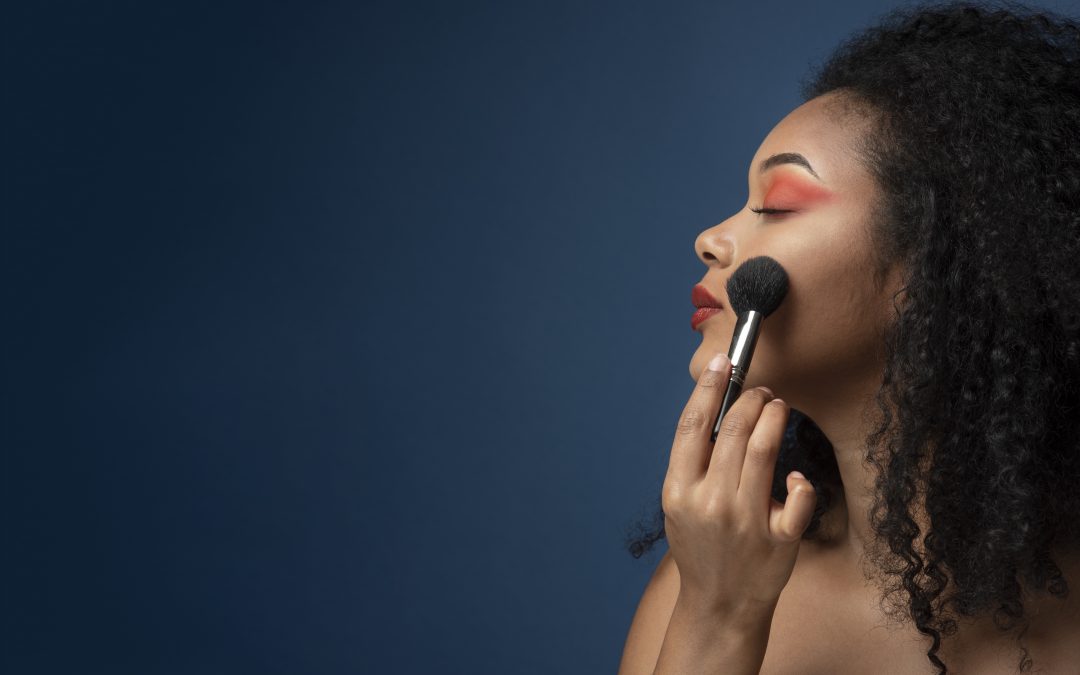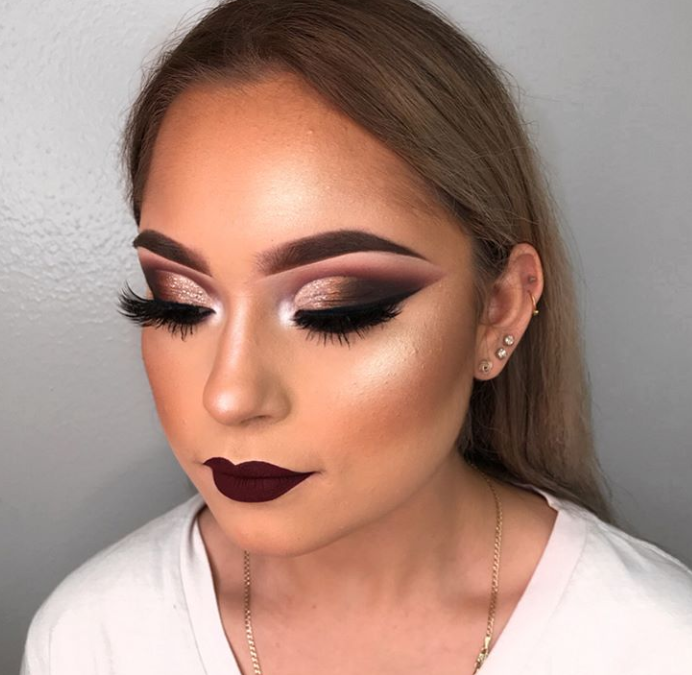
The art of blending eyeshadows in HEALTH AND SKINCARE / SOMATOLOGY / BEAUTY AND NAILS / HAIR AND BEAUTY / COSMETOLOGY / PROFESSIONAL MAKE-UP ARTISTRY
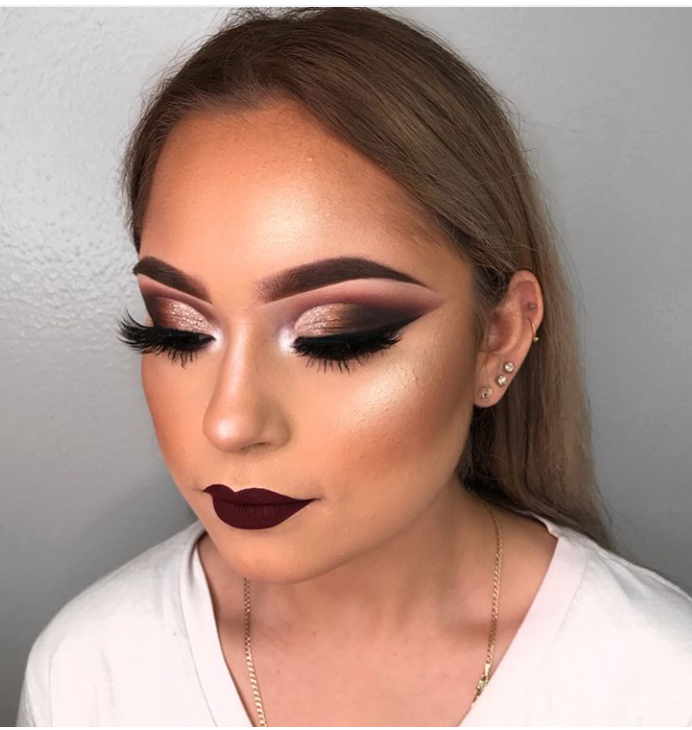
The art of blending eyeshadows in HEALTH AND SKINCARE / SOMATOLOGY / BEAUTY AND NAILS / HAIR AND BEAUTY / COSMETOLOGY / PROFESSIONAL MAKE-UP ARTISTRY

The art of blending eyeshadows is an essential skill in achieving a seamless and professional-looking eye makeup look. In the study of HEALTH AND SKINCARE / SOMATOLOGY / BEAUTY AND NAILS / HAIR AND BEAUTY / COSMETOLOGY / PROFESSIONAL MAKE-UP ARTISTRY, we learn that proper blending helps create dimension, depth, and a smooth transition between different eyeshadow colors.

      Tips to master the art of blending eyeshadows:
      1. Start with a Clean Canvas:
        • Begin by applying an eyeshadow primer to create a smooth base for your eyeshadows. This helps the eyeshadows adhere better and last longer.
      2. Choose the Right Brushes:
        • Invest in high-quality eyeshadow brushes, especially blending brushes. A fluffy blending brush with soft bristles is ideal for creating a diffused look.
      3. Use a Transition Shade:
        • Apply a neutral transition shade in the crease of your eyelid. This color should be close to your skin tone and will help create a seamless transition between other eyeshadow colors.
      4. Layering Colors:
        • Start with lighter eyeshadow shades and gradually move to darker ones. This ensures that the darker colors don’t overpower the entire look, and it’s easier to control the intensity.
      5. Blend in a Windshield Wiper Motion:
        • Use back-and-forth windshield wiper motions to blend eyeshadows in the crease. This helps diffuse the color and prevents harsh lines.
      6. Circular Motions for Intensity:
        • For more intense colors or precise application, use small circular motions. This technique allows you to build up color gradually while maintaining control.
      7. Patting Motion for Shimmer:
        • When applying shimmer eyeshadows, use a patting motion rather than sweeping. This technique helps to maximize color payoff and minimize fallout.
      8. Blend Along the Edges:
        • Pay attention to the edges of each eyeshadow color and make sure they seamlessly merge with the adjacent shade. This helps prevent a patchy or disjointed appearance.
      9. Clean Brushes Between Colors:
        • If you’re using the same brush for different colors, make sure to clean it between shades. You can do this by wiping the brush on a clean tissue or using a color-switching sponge.
      10. Practice and Experiment:
        • The more you practice blending, the more comfortable and skilled you’ll become. Experiment with different color combinations and techniques to find what works best for your eye shape and style.
      11. Blend Upwards Towards the Brow Bone:
        • When blending, gradually extend the eyeshadow towards the brow bone. This creates a gradient effect and opens the eyes.

      Should you wish to study HEALTH AND SKINCARE / SOMATOLOGY / BEAUTY AND NAILS / HAIR AND BEAUTY / COSMETOLOGY / PROFESSIONAL MAKE-UP ARTISTRY, you will learn that blending is a skill that improves with practice, so don’t be afraid to experiment and find what techniques work best for you.
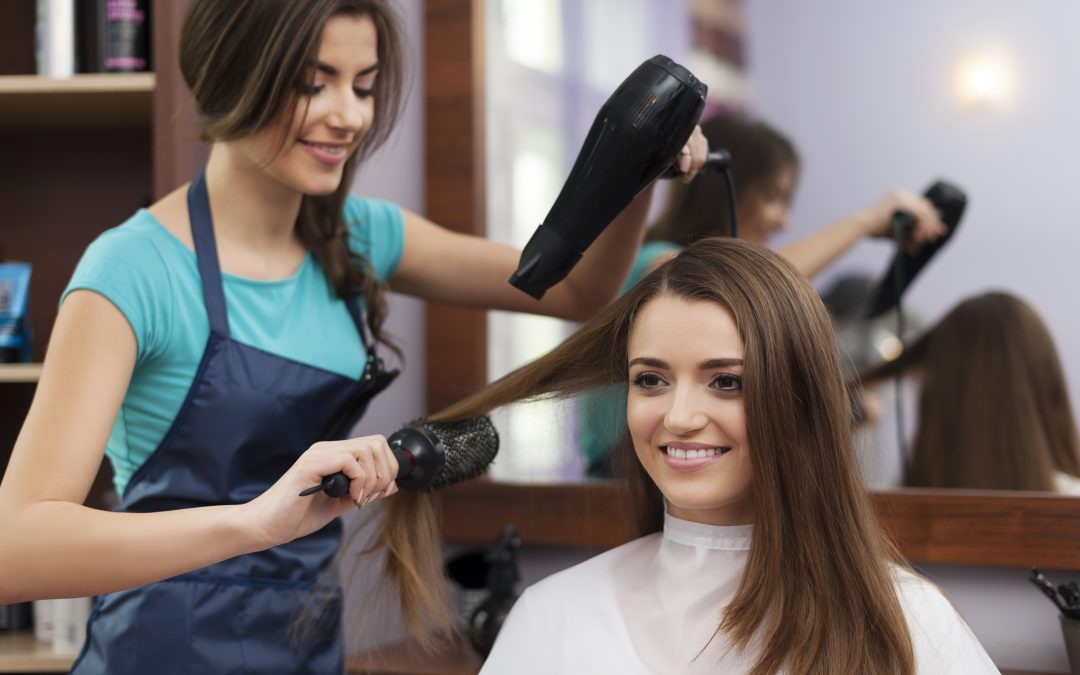
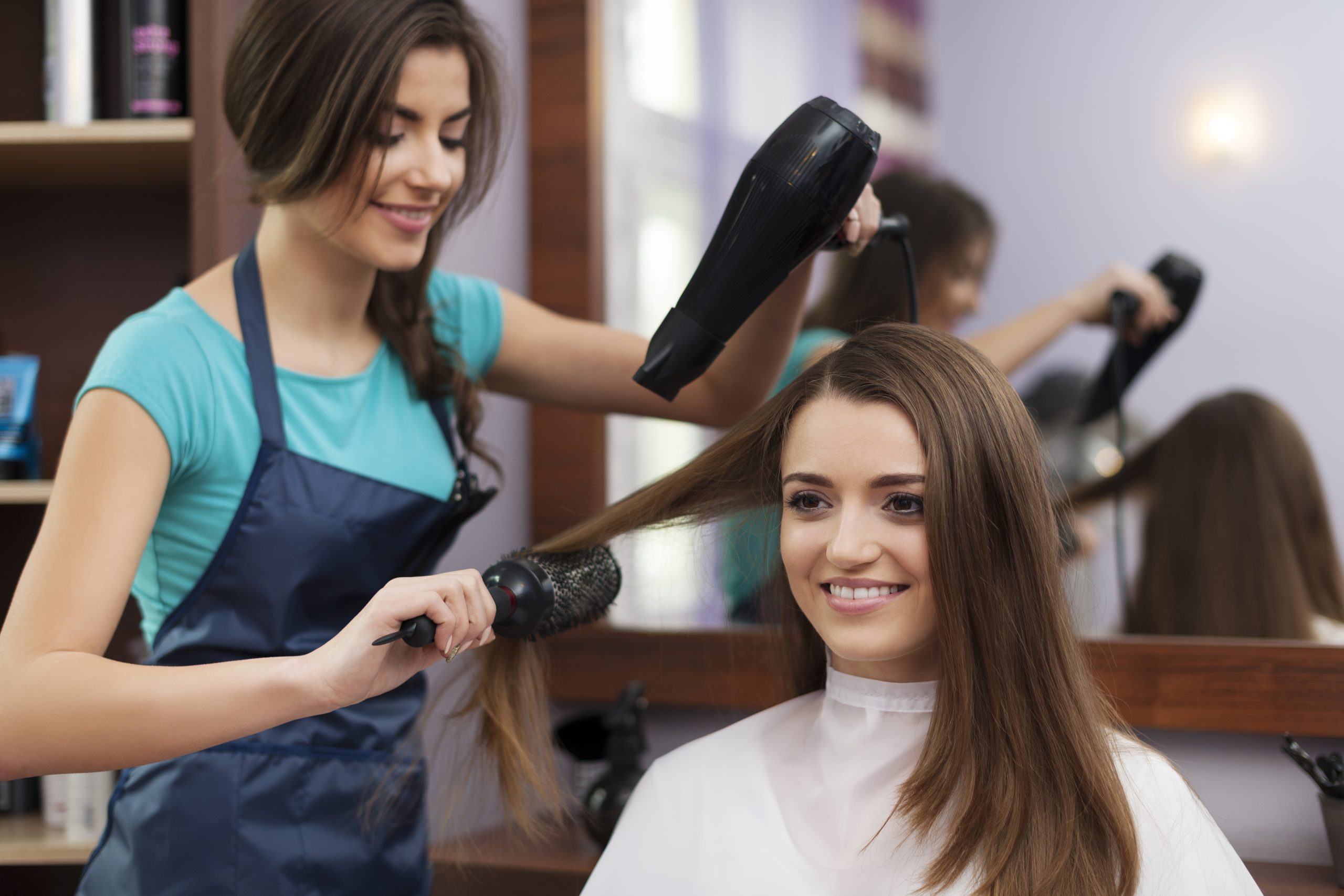
      Unveiling the Brazilian Blowout: A Look at the Pros and Cons in HAIRDRESSING / HAIR AND BEAUTY / COSMETOLOGY

      Unveiling the Brazilian Blowout: A Look at the Pros and Cons in HAIRDRESSING / HAIR AND BEAUTY / COSMETOLOGY

      The pursuit of smooth, frizz-free locks has led to the Brazilian Blowout treatment in the HAIRDRESSING / HAIR AND BEAUTY / COSMETOLOGY field. The Brazilian blowout is a popular hair straightening technique that promises sleek, manageable hair. However, like any beauty treatment, the Brazilian Blowout comes with its own set of pros and cons that individuals should carefully consider before taking the plunge.

          Pros:
          1. Smooth, Frizz-Free Hair:

          The primary allure of the Brazilian Blowout is the transformative effect it has on hair texture. The treatment can leave hair significantly smoother and free from frizz, making daily styling a breeze.

          1. Reduced Styling Time:

          With the Brazilian Blowout, your morning routine might just get a whole lot quicker. The treatment can cut down styling time, as your hair will require less effort to achieve a polished look.

          1. Versatile Styling Options:

          Treated hair becomes more versatile, allowing individuals to experiment with various styles. From sleek and straight to voluminous waves, the Brazilian Blowout opens a world of styling possibilities.

          1. Long-Lasting Results:

          Unlike some other hair treatments, the Brazilian Blowout can provide long-lasting results. Many people enjoy the benefits for several weeks, with some effects lingering for months.


          Cons:
          1. Chemical Exposure:

          The Brazilian Blowout involves the use of chemicals, most notably formaldehyde or its derivatives. Exposure to these chemicals may irritate, especially for individuals with sensitive scalps or pre-existing skin conditions.

          1. Health Concerns:

          The health risks associated with formaldehyde have raised concerns within the beauty industry. Prolonged exposure to this chemical may be linked to respiratory issues and other health problems. It’s crucial to choose a reputable salon that uses formaldehyde-free formulations.

          1. Cost:

          The Brazilian Blowout is an investment. The cost of the treatment can be relatively high, and it may require touch-ups to maintain the desired results. Individuals should factor in their financial commitment before deciding to undergo the treatment.

          1. Maintenance:

          While the Brazilian Blowout offers semi-permanent results, maintenance is key to prolonging the effects. Special shampoos and conditioners that are sulfate-free are recommended, and exposure to chlorine or saltwater may compromise the treatment’s longevity.


          In conclusion, in HAIRDRESSING / HAIR AND BEAUTY / COSMETOLOGY the Brazilian Blowout can be a game-changer for those seeking sleek, manageable hair. Consulting with a qualified hair stylist and choosing a reputable salon that prioritises client safety is essential to enjoying the benefits of the Brazilian Blowout while minimising potential drawbacks.


          Healing touch: Trigger point massage bliss in HEALTH AND SKINCARE / SOMATOLOGY / BEAUTY AND NAILS / HAIR AND BEAUTY / COSMETOLOGY / MASSAGE TECHNOLOGY

          Healing touch: Trigger point massage bliss in HEALTH AND SKINCARE / SOMATOLOGY / BEAUTY AND NAILS / HAIR AND BEAUTY / COSMETOLOGY / MASSAGE TECHNOLOGY

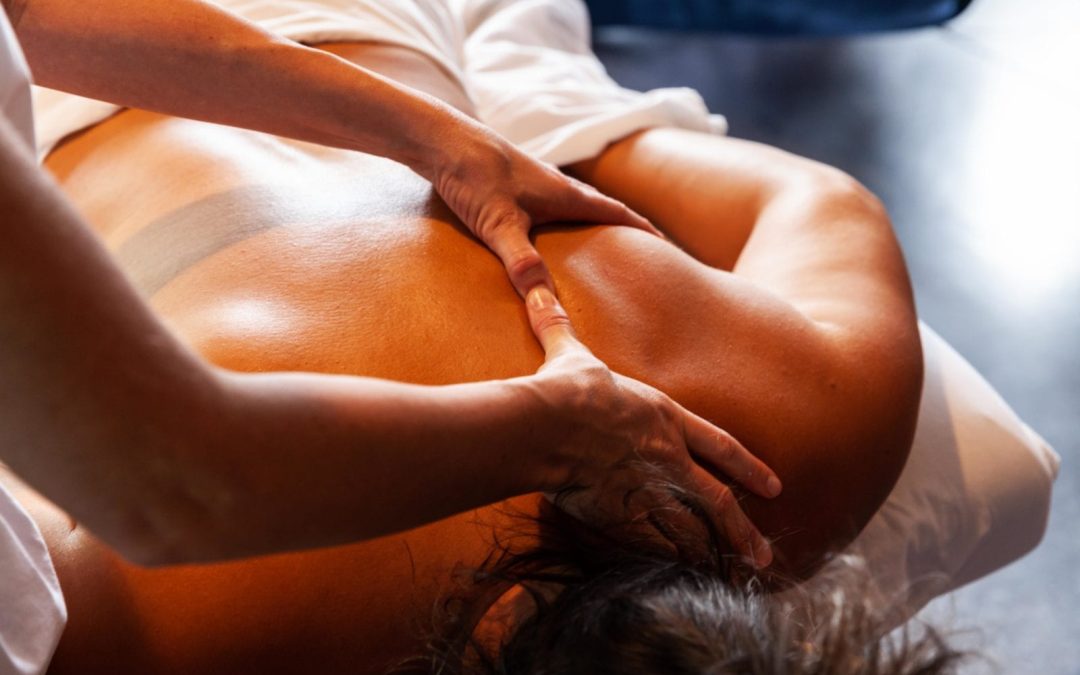
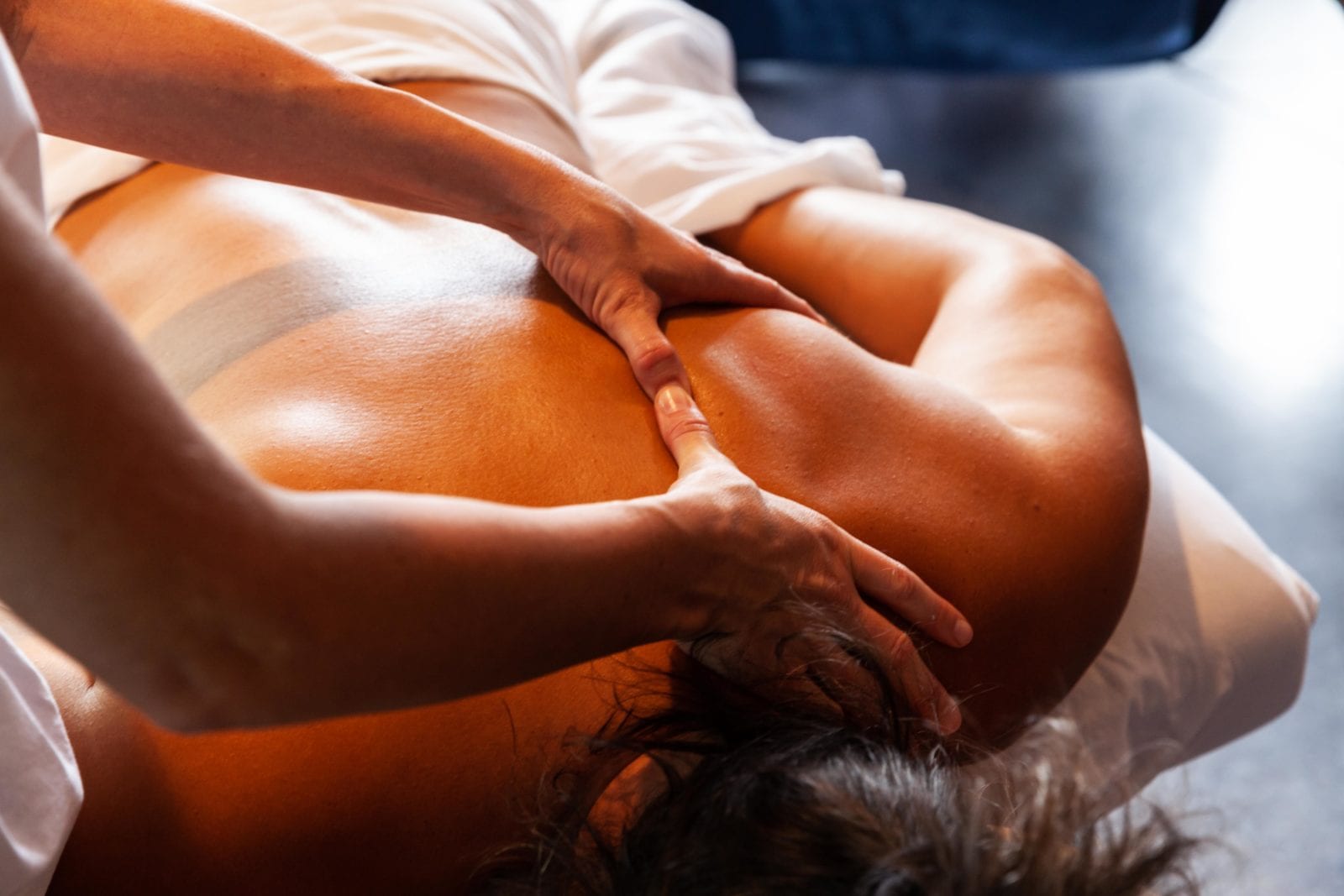
          Trigger point massage is a therapeutic HEALTH AND SKINCARE / SOMATOLOGY / BEAUTY AND NAILS / HAIR AND BEAUTY / COSMETOLOGY / MASSAGE TECHNOLOGY technique that involves the application of pressure to specific points on the body known as trigger points. Trigger points are areas of muscle tightness and hyperirritability that can cause pain and discomfort. These points are often associated with referred pain, meaning the pain is felt in a different area of the body than where the trigger point is located.

            An overview of trigger point massage:
            1. Identification of Trigger Points:
            1. Application of Pressure:
            • Once trigger points are identified, the therapist applies direct pressure using fingers, thumbs, or other massage tools. The pressure is typically firm and sustained until the tension in the muscle releases.
            1. Referred Pain Relief:
            • The goal of trigger point massage is to alleviate pain, reduce muscle tension, and improve mobility. By releasing trigger points, therapists aim to provide relief not only at the site of discomfort but also in the areas where referred pain is felt.
            1. Stretching and Range of Motion Exercises:
            1. Communication with the Client:
            • Communication between the therapist and the client is crucial. Clients are often asked to provide feedback on the intensity of the pressure and the location of pain. This helps the therapist tailor the treatment to the individual’s needs.
            1. Hydration and Post-Treatment Care:
            1. Conditions Treated with Trigger Point Massage:
            • Trigger point massage is commonly used to address conditions such as tension headaches, neck and shoulder pain, back pain, and other musculoskeletal issues.


            It’s important to note that trigger point massage should be performed by a trained and qualified HEALTH AND SKINCARE / SOMATOLOGY / BEAUTY AND NAILS / HAIR AND BEAUTY / COSMETOLOGY / MASSAGE TECHNOLOGY massage therapist. If you’re considering this type of massage, it’s advisable to consult with a healthcare professional to ensure it’s a suitable and safe option for your specific condition.

            Unveiling the Hottest Trends in Waxing: A Beauty Therapist’s Guide to Stay Ahead in HEALTH AND SKINCARE / SOMATOLOGY / BEAUTY AND NAILS / HAIR AND BEAUTY / COSMETOLOGY / PROFESSIONAL MAKE-UP ARTISTRY

            Unveiling the Hottest Trends in Waxing: A Beauty Therapist’s Guide to Stay Ahead in HEALTH AND SKINCARE / SOMATOLOGY / BEAUTY AND NAILS / HAIR AND BEAUTY / COSMETOLOGY / PROFESSIONAL MAKE-UP ARTISTRY

            In the ever-evolving world of HEALTH AND SKINCARE / SOMATOLOGY / BEAUTY AND NAILS / HAIR AND BEAUTY / COSMETOLOGY / PROFESSIONAL MAKE-UP ARTISTRY, staying up-to-date with the latest trends is crucial for any beauty therapist. Among the various services offered, waxing remains a timeless and popular choice for clients seeking smooth and hair-free skin. As we step into a new era, let’s explore the hottest trends in waxing that are revolutionizing the HEALTH AND SKINCARE / SOMATOLOGY / BEAUTY AND NAILS / HAIR AND BEAUTY / COSMETOLOGY / PROFESSIONAL MAKE-UP ARTISTRY industry.

            Customizable Wax Blends:

            One of the most significant trends in waxing is the move towards customizable wax blends. Beauty therapists are now tailoring wax formulations to meet the specific needs of their clients. Whether it’s sensitive skin, coarse hair, or specific body areas, the ability to create personalized wax blends ensures a more comfortable and effective waxing experience.

              Hard Wax Dominance:

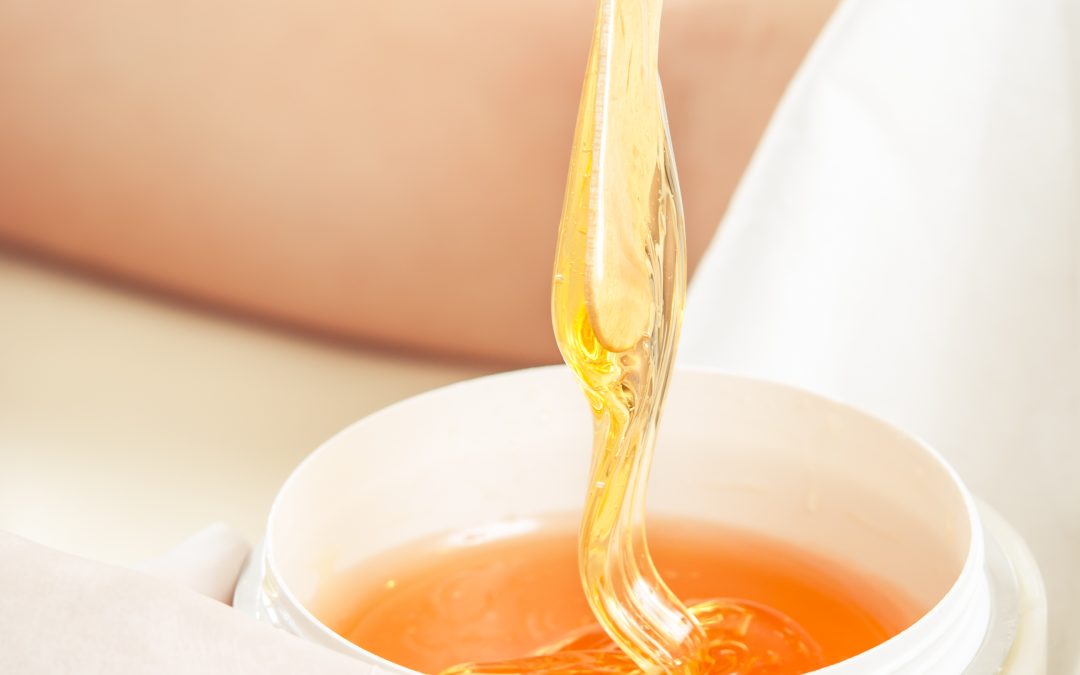
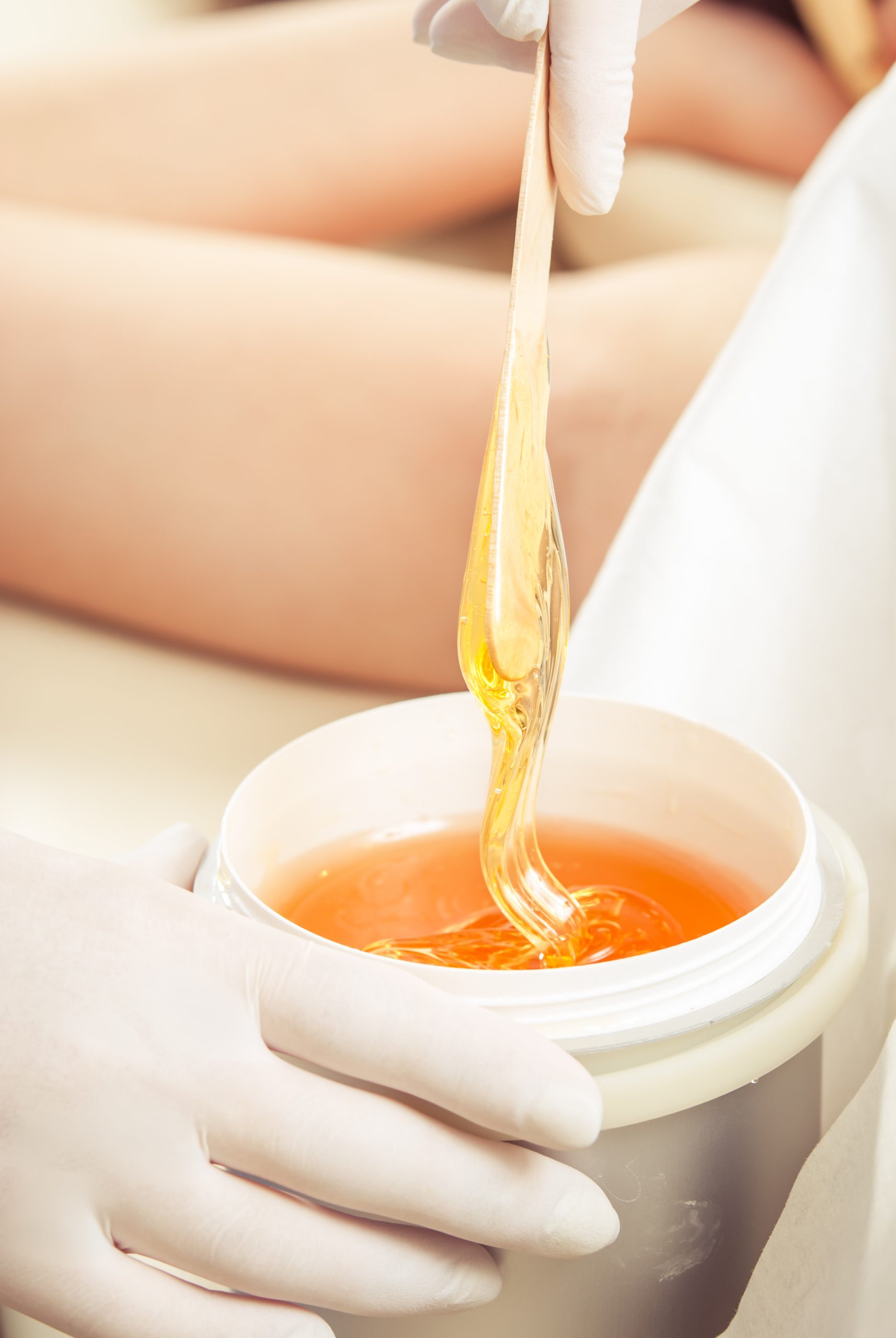
              Hard wax has gained immense popularity and is becoming the go-to choice for many beauty therapists. Unlike traditional soft wax, hard wax adheres to the hair rather than the skin, resulting in less pain and irritation. Clients appreciate the gentleness of hard wax, especially for sensitive areas like the face and bikini line.


              Vegan and Cruelty-Free Wax:

              As the beauty industry embraces sustainability, there’s a growing demand for vegan and cruelty-free products. HEALTH AND SKINCARE / SOMATOLOGY / BEAUTY AND NAILS / HAIR AND BEAUTY / COSMETOLOGY / PROFESSIONAL MAKE-UP ARTISTRY therapists are now incorporating environmentally friendly wax options that are free from animal by-products and have not been tested on animals. This trend not only aligns with ethical values but also caters to a broader clientele seeking conscious beauty practices.


              Male Waxing on the Rise:

              The stigma around male grooming has significantly diminished, leading to a surge in demand for male waxing services. Beauty therapists are expanding their expertise to cater to male clients seeking smooth chests, backs, and well-groomed eyebrows. Offering specialized waxing services for men is a trend that’s reshaping the industry.


              Sustainable Practices:

              In line with the overall shift towards sustainability, beauty therapists are adopting eco-friendly practices in their waxing services. This includes using recyclable materials, minimizing waste, and opting for sustainable packaging. Clients are increasingly drawn to beauty professionals who prioritize environmental consciousness.


              CBD-Infused Waxing:

              CBD (cannabidiol) has made its way into the HEALTH AND SKINCARE / SOMATOLOGY / BEAUTY AND NAILS / HAIR AND BEAUTY / COSMETOLOGY / PROFESSIONAL MAKE-UP ARTISTRY industry, and waxing is no exception. CBD-infused waxes are gaining popularity for their anti-inflammatory and soothing properties. Beauty therapists are incorporating these formulations to reduce redness and irritation, providing a more comfortable experience for clients.


              Conclusion:

              As a HEALTH AND SKINCARE / SOMATOLOGY / BEAUTY AND NAILS / HAIR AND BEAUTY / COSMETOLOGY / PROFESSIONAL MAKE-UP ARTISTRY therapist, staying informed about the latest trends in waxing is essential for delivering top-notch services and maintaining a competitive edge. Whether it’s embracing customizable wax blends, prioritizing sustainability, or catering to the rising demand for male waxing, these trends reflect the dynamic nature of the beauty industry. By incorporating these innovations into your practice, you’re not just offering waxing services – you’re providing a personalized, cutting-edge experience that keeps clients coming back for more.

              Blusher trends in HEALTH AND SKINCARE / SOMATOLOGY / BEAUTY AND NAILS / HAIR AND BEAUTY / COSMETOLOGY / PROFESSIONAL MAKE-UP ARTISTRY

              Blusher trends in HEALTH AND SKINCARE / SOMATOLOGY / BEAUTY AND NAILS / HAIR AND BEAUTY / COSMETOLOGY / PROFESSIONAL MAKE-UP ARTISTRY

              Blusher trends, like any other beauty trends, can vary from season to season and are often influenced by factors such as fashion, celebrity styles, and cultural shifts.

              In the study of HEALTH AND SKINCARE / SOMATOLOGY / BEAUTY AND NAILS / HAIR AND BEAUTY / COSMETOLOGY / PROFESSIONAL MAKE-UP ARTISTRY, we learn that beauty trends can change, so it’s a good idea to check for the latest updates:

                  1. Natural Flush:
                    • The trend of achieving a natural, healthy flush that mimics a “just came in from the cold” look continued to be popular.
                  2. Dewy and Luminous Finish:
                    • Dewy skin has been a prevailing trend, and this extends to blush as well. Cream and liquid blushes were favored for their ability to provide a radiant, luminous finish that gives a healthy glow to the skin.
                  3. Monochromatic Makeup:
                    • Coordinating blush with eyeshadow and lip color in a monochromatic look was a trend. This approach creates a cohesive and harmonious appearance.
                  4. Bold and Bright Colors:
                    • Bright pinks, reds, and even unconventional colors like orange and berry are used to make a statement.
                  5. Draping Technique:
                    • Draping involves applying blush in a way that contours and shapes the face, often extending from the cheekbones up towards the temples.
                  6. Watercolor Blush:
                    • The watercolor blush trend involved blending multiple shades of blush together to create a gradient effect on the cheeks.
                  7. Subtle Shimmer:
                    • Blushes with subtle shimmer or satin finishes are popular for adding a luminous touch without being overly glittery.
                  8. Blush Draping with Graphic Lines:
                    • Some enthusiasts experiment with creating graphic lines using blush to achieve a bold and avant-garde look. This involves applying blush in geometric shapes or patterns on the cheeks.

                  Should you wish to study HEALTH AND SKINCARE / SOMATOLOGY / BEAUTY AND NAILS / HAIR AND BEAUTY / COSMETOLOGY / PROFESSIONAL MAKE-UP ARTISTRY, you will learn that makeup trends can change, and personal preference always plays a significant role. Feel free to adapt these trends to suit your own style and comfort level.