Exploring Massage Contraindications: When Caution is Key in HEALTH AND SKINCARE / SOMATOLOGY / BEAUTY AND NAILS / HAIR AND BEAUTY / COSMETOLOGY / MASSAGE TECHNOLOGY

Exploring Massage Contraindications: When Caution is Key in HEALTH AND SKINCARE / SOMATOLOGY / BEAUTY AND NAILS / HAIR AND BEAUTY / COSMETOLOGY / MASSAGE TECHNOLOGY

Massage therapy is renowned for its myriad benefits, including stress reduction, pain relief, and improved overall well-being. However, like any therapeutic intervention, it’s essential to recognize that not everyone is an ideal candidate for massage. Contraindications, (situations or conditions where a particular treatment may be harmful) are crucial considerations for massage therapists and clients alike.

    In the study of HEALTH AND SKINCARE / SOMATOLOGY / BEAUTY AND NAILS / HAIR AND BEAUTY / COSMETOLOGY / MASSAGE TECHNOLOGY, we learn the contra-indications for massage, shedding light on instances when caution is paramount.

    Understanding Contraindications:

    Contraindications in massage are divided into two categories: local and general. Local contraindications involve specific areas of the body, while general contraindications pertain to overall health conditions that may affect the entire body. Recognizing these contraindications is crucial for the safety and well-being of the client.

    Local Contraindications:

    Inflamed Skin Conditions:

    • Conditions such as dermatitis, eczema, or psoriasis may be exacerbated by massage. Inflamed or broken skin can be further irritated, potentially leading to infection.

    Open Wounds or Sores:

    • Areas with open wounds, cuts, or sores should not be massaged.

    Recent Injuries or Surgeries:

    • Require time for healing before massage can be safely administered. Massage could interfere with the body’s natural healing process.

    Varicose Veins:

    • A gentle massage may be acceptable, but deep pressure could worsen the condition.
    General Contraindications:

    Fever or Infectious Diseases:

    • A high fever or contagious diseases pose a risk to both the therapist and other clients. Massage can potentially spread infections.

    Cardiovascular Conditions:

    • Deep vein thrombosis or severe hypertension may be at risk during massage. It’s crucial to obtain medical clearance in such cases.

    Cancer:

    • Clients undergoing cancer treatment or in advanced stages of the disease may have contraindications, and massage should be approached with caution and in consultation with healthcare providers.

    Pregnancy Complications:

    • Caution is necessary for women with certain complications, such as preeclampsia or a history of premature labor.

    Inflammatory Conditions:

    • Rheumatoid arthritis or lupus may require a modified approach to massage, as deep pressure can exacerbate inflammation.
    Conclusion:

    Massage therapy is a valuable tool for promoting health and well-being, but it is not a one-size-fits-all solution. In the study of HEALTH AND SKINCARE / SOMATOLOGY / BEAUTY AND NAILS / HAIR AND BEAUTY / COSMETOLOGY / MASSAGE TECHNOLOGY, we learn that it is crucial for both massage therapists and clients to communicate openly about health conditions to ensure a safe and effective session. By understanding and respecting contraindications, we can harness the full potential of massage therapy while prioritizing the health and safety of those seeking its benefits. Always consult with a healthcare professional if there are uncertainties regarding the suitability of massage for specific health conditions.
    Quality of make-up brushes in HEALTH AND SKINCARE / SOMATOLOGY / BEAUTY AND NAILS / HAIR AND BEAUTY / COSMETOLOGY / PROFESSIONAL MAKE-UP ARTISTRY

    Quality of make-up brushes in HEALTH AND SKINCARE / SOMATOLOGY / BEAUTY AND NAILS / HAIR AND BEAUTY / COSMETOLOGY / PROFESSIONAL MAKE-UP ARTISTRY

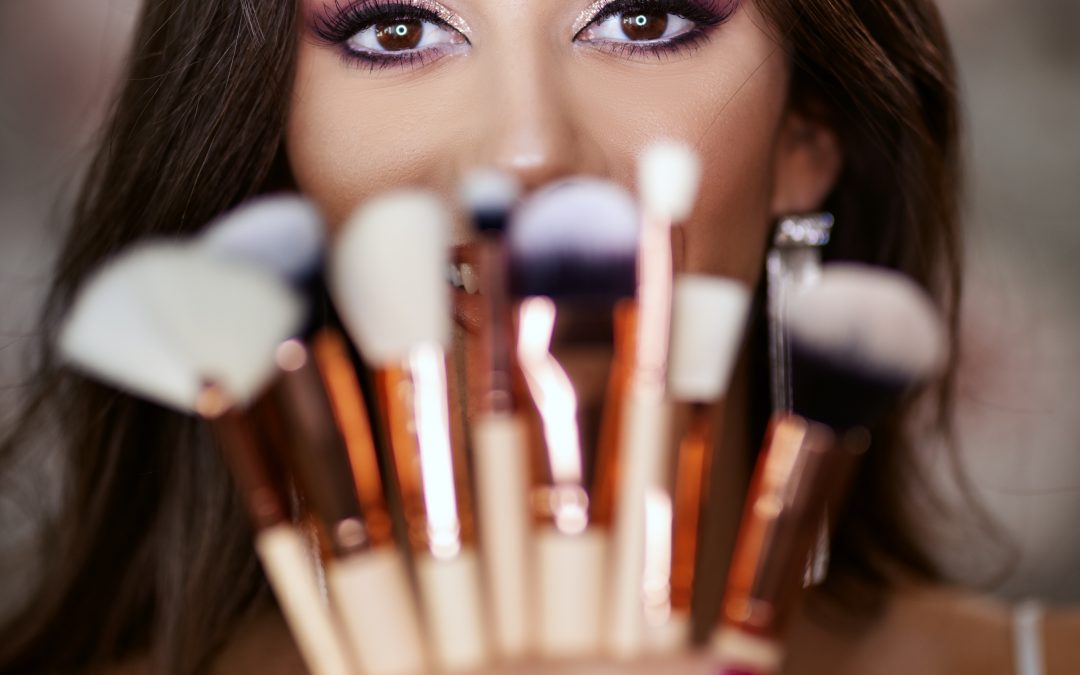
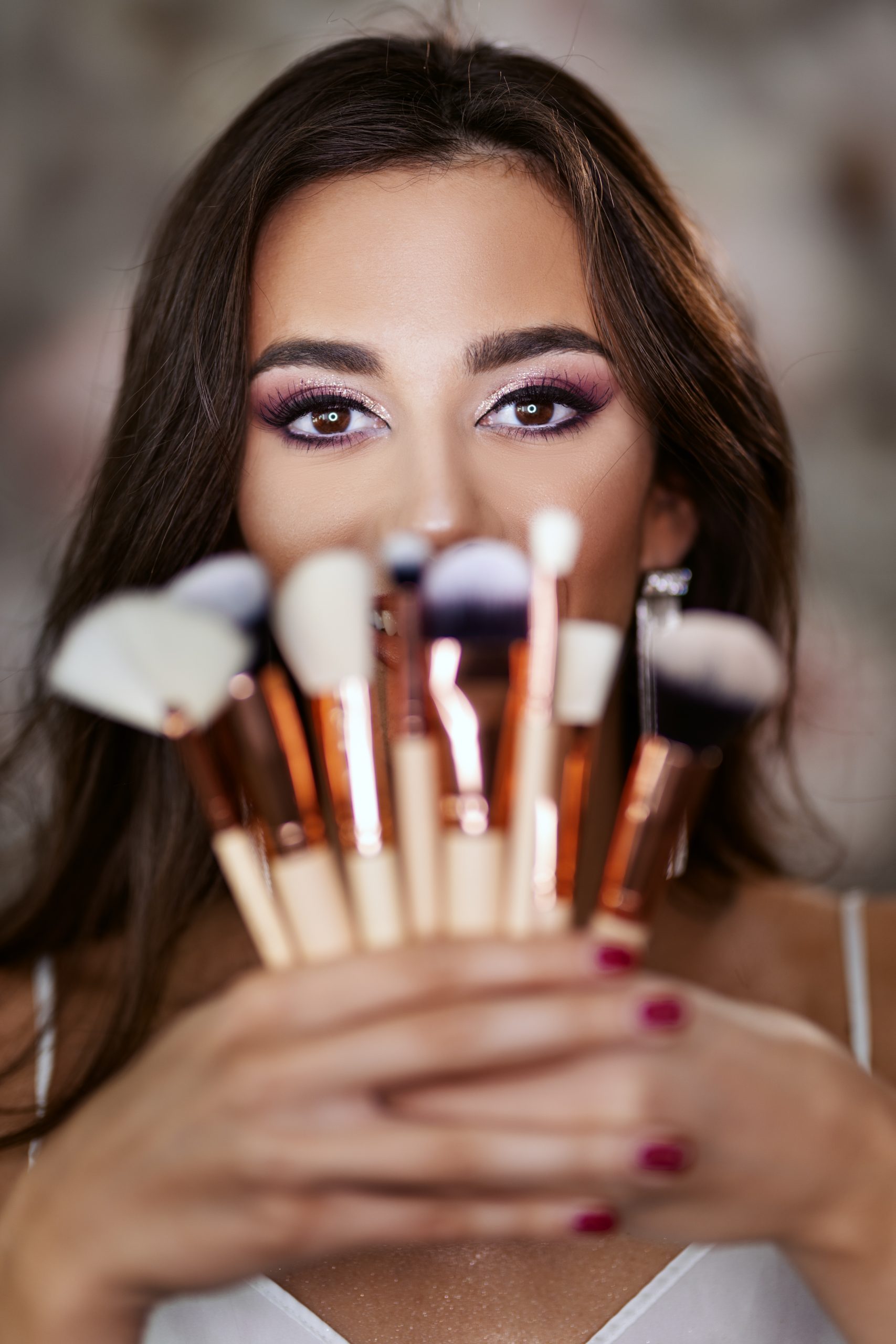
    The quality of makeup brushes is crucial for achieving a flawless makeup application. In the study of HEALTH AND SKINCARE / SOMATOLOGY / BEAUTY AND NAILS / HAIR AND BEAUTY / COSMETOLOGY / PROFESSIONAL MAKE-UP ARTISTRY, we learn that higher-quality brushes typically offer better performance, durability, and a more comfortable experience. Here are some factors to consider when evaluating the quality of makeup brushes:

    Bristle Material:
    • Natural Hair: Brushes made from natural hair, such as squirrel, goat, or sable hair, are known for their softness and ability to pick up and blend powder products.
    • Synthetic Hair: Synthetic brushes are cruelty-free and can be an excellent choice for applying liquid and cream products. They are also usually more affordable.
        Bristle Shape:
        • Fluffy Brushes: Fluffy and tapered brushes are ideal for blending eyeshadows and creating seamless transitions.
        • Flat Brushes: Flat brushes are suitable for packing on color and creating defined lines.
        • Angled Brushes: Angled brushes are great for precision work, such as applying eyeliner or contouring.
        Ferrule (Metal Part) Quality:
        • A high-quality brush will have a sturdy and well-attached ferrule. This ensures that the bristles remain in place and don’t shed easily.
        Handle Material:
        • Handles can be made of various materials, including wood, plastic, or metal. Choose a handle that feels comfortable in your hand and is durable.
        Weight and Balance:
        • A well-balanced brush feels comfortable to use and allows for more precise application. Consider the weight distribution between the handle and the bristles.
        Density:
        • The density of the bristles can affect the application. Dense brushes are often better for packing on color, while less dense brushes are great for blending.
        Brand Reputation:
        • Established and reputable brands often invest in research and development to create high-quality brushes. Reading reviews and considering recommendations can help you choose trusted brands.
        Versatility:
        • Some brushes are versatile and can be used for multiple purposes. Look for brushes that can be used for both powder and cream products if you want a more versatile toolkit.
        Ease of Cleaning:
        • Brushes that are easy to clean and maintain will last longer. Consider how easy it is to remove product buildup from the bristles.
        Price:
        • While high-quality brushes can be an investment, they don’t always have to be expensive. Some affordable brands offer excellent quality brushes. Conversely, some expensive brushes may not live up to their price tag.
        Return Policy:
        • Check the return policy of the brand or store where you purchase your brushes. This ensures that you can return or exchange the brushes if you’re not satisfied with their quality.

        Should you wish to study HEALTH AND SKINCARE / SOMATOLOGY / BEAUTY AND NAILS / HAIR AND BEAUTY / COSMETOLOGY / PROFESSIONAL MAKE-UP ARTISTRY, you will learn that the quality of makeup brushes depends on various factors, including the materials used, construction, and brand reputation. It’s essential to choose brushes that suit your makeup needs and preferences, whether you prefer natural or synthetic bristles and whether you focus on powder or liquid/cream products.

        The Resurgence of Barbering Services: A Cut Above the Rest in HAIRDRESSING / HAIR AND BEAUTY / COSMETOLOGY

        The Resurgence of Barbering Services: A Cut Above the Rest in HAIRDRESSING / HAIR AND BEAUTY / COSMETOLOGY

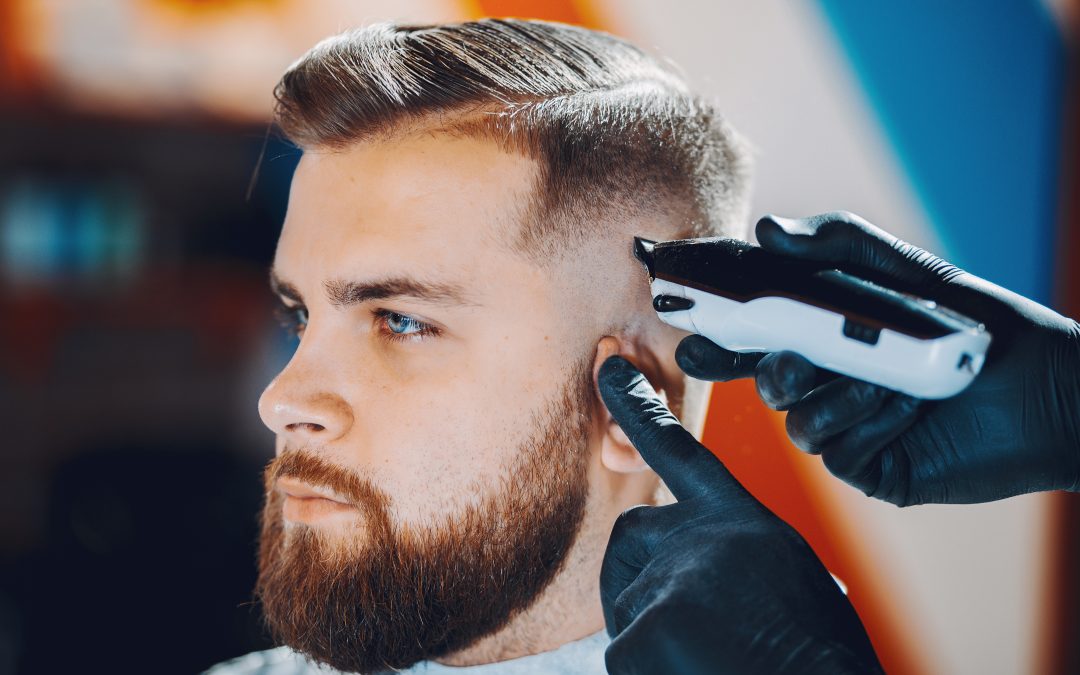
        In the ever-evolving world of HAIRDRESSING / HAIR AND BEAUTY / COSMETOLOGY and grooming, one profession has experienced a remarkable renaissance in recent years—barbering. Once considered a dying breed, barbers have now become trendsetters in the realm of HAIRDRESSING / HAIR AND BEAUTY / COSMETOLOGY. This resurgence is not merely a coincidence but a reflection of changing cultural attitudes and a renewed appreciation for the artistry of the barber’s craft.

          The Shift in Perception

          Not too long ago, the perception of barbers was often associated with mundane haircuts and a limited scope of services. However, a paradigm shift has occurred as people have begun to recognize the unique skill set possessed by barbers. No longer confined to simple trims, barbers are now celebrated for their artistry in crafting intricate hairstyles, grooming beards, and providing a holistic grooming experience.


          The Rise of Specialized Services

          The surge in interest in barbering can be attributed to the diversification of services offered. Barbershops have transformed into modern sanctuaries for both men and women seeking personalized and specialized grooming experiences. From classic cuts to avant-garde styles, barbers now cater to a wide range of preferences, bridging the gap between traditional barbering and contemporary trends in HAIRDRESSING / HAIR AND BEAUTY / COSMETOLOGY.


          The Social Media Effect

          The resurgence of barbering can be largely credited to the power of social media. Platforms like Instagram and Pinterest have become virtual runways, showcasing the artistic prowess of barbers worldwide. Clients are now more informed and inspired, often bringing in pictures and ideas from social media to achieve the latest trends. This digital exposure has elevated the status of barbers, turning them into influencers in the HAIRDRESSING / HAIR AND BEAUTY / COSMETOLOGY and grooming industry.


          The Return to Authenticity

          In an age dominated by technology, there is a growing appreciation for authentic experiences. Barbershops, with their classic aesthetics and commitment to personal connections, offer a respite from the digital world. Clients are drawn to the genuine relationships formed with their barbers, creating a sense of community and loyalty that was missing in the era of quick, impersonal haircuts.


          Training and Education

          Another crucial factor in the resurgence of barbering is the emphasis on education and training. Barbers are now required to undergo rigorous training programs, ensuring that they are equipped with the latest techniques and trends. This commitment to continuous learning has elevated the overall quality of services, further fueling the demand for skilled barbers.


          Conclusion

          The revival of barbering services is not just a trend; it’s a cultural shift. Barbers have transcended the boundaries of a traditional haircut to become artists, influencers, and community builders. With a renewed focus on authenticity, specialized services, and continuous education, the barbering profession has reclaimed its status as an essential and vibrant component of the beauty and grooming industry. As the demand for personalized and unique experiences continues to grow, the future of barbering looks sharper than ever.

          The Art of Precision: Laser Hair Removal Unveiled for HEALTH AND SKINCARE / SOMATOLOGY Therapists

          The Art of Precision: Laser Hair Removal Unveiled for HEALTH AND SKINCARE / SOMATOLOGY Therapists

          In the pursuit of smooth, hair-free skin, laser hair removal has emerged as a revolutionary technique, offering clients a long-lasting solution to unwanted hair growth. As HEALTH AND SKINCARE / SOMATOLOGY therapists, understanding the intricacies of laser technology in hair removal can elevate your expertise and provide clients with effective and personalized treatments. Let’s dive into the world of laser hair removal together.

              Unveiling Laser Hair Removal

              Laser hair removal is a non-invasive procedure that uses concentrated light energy to target and destroy hair follicles. This process impedes hair growth, resulting in smoother skin for an extended period. The lasers used in hair removal systems emit light absorbed by the pigment in the hair, damaging the follicle without affecting the surrounding skin.


              Types of Lasers for Hair Removal
              1. Diode Lasers:
                • Efficient for Various Skin Types: Diode lasers are effective on a wide range of skin tones and hair types.
                • Quick Treatment: They cover larger areas swiftly, making them suitable for larger body areas like the legs and back.
              2. Alexandrite Lasers:
                • Fast and Effective: Alexandrite lasers offer speedy treatment for larger areas and work best on fair to olive skin tones.
                • Precise and Reliable: Ideal for targeting finer hair types.


              The Laser Hair Removal Process
              1. Consultation and Assessment:
                • Conduct a thorough consultation to evaluate skin type, hair color, medical history, and any underlying conditions. Assess the client’s suitability for the procedure and set realistic expectations regarding the number of sessions needed.
              2. Treatment Sessions:
                • During sessions, the laser emits pulses of light onto the targeted area, effectively disabling active hair follicles. Clients might experience a sensation similar to a rubber band snapping against the skin.
              3. Post-Treatment Care:
                • Advise clients on post-care instructions, including avoiding sun exposure, using sunscreen, and refraining from plucking or waxing between sessions.


              Benefits of Laser Hair Removal
              • Long-lasting Results: Laser hair removal offers longer-lasting results compared to traditional methods like shaving or waxing.
              • Precision and Accuracy: The laser targets specific hair follicles, leaving surrounding skin undamaged.
              • Reduced Hair Growth: Over time, hair becomes finer and lighter, resulting in decreased regrowth.


              Challenges and Considerations
              • Multiple Sessions: Complete hair removal typically requires multiple sessions due to the hair growth cycle.
              • Skin Sensitivity: Some clients might experience mild redness or discomfort post-treatment, which usually subsides quickly.


              Conclusion

              Mastering the art of laser hair removal as a HEALTH AND SKINCARE / SOMATOLOGY therapist requires expertise, understanding individual skin and hair characteristics, and managing client expectations. By offering personalized consultations and tailored treatment plans, you empower clients to embrace the freedom of smooth, hair-free skin confidently.


              Keep abreast of technological advancements and safety protocols in laser hair removal to ensure optimal client satisfaction and safety throughout the treatment process.Empower your clients to feel confident and liberated with the precision and efficacy of laser hair removal treatments.


              Here’s to celebrating the beauty of smooth, radiant skin through the precision and finesse of laser hair removal!

              The Art and Science of Massage Oils: A Symphony for the Senses in HEALTH AND SKINCARE / SOMATOLOGY / BEAUTY AND NAILS / HAIR AND BEAUTY / COSMETOLOGY / MASSAGE TECHNOLOGY

              The Art and Science of Massage Oils: A Symphony for the Senses in HEALTH AND SKINCARE / SOMATOLOGY / BEAUTY AND NAILS / HAIR AND BEAUTY / COSMETOLOGY / MASSAGE TECHNOLOGY

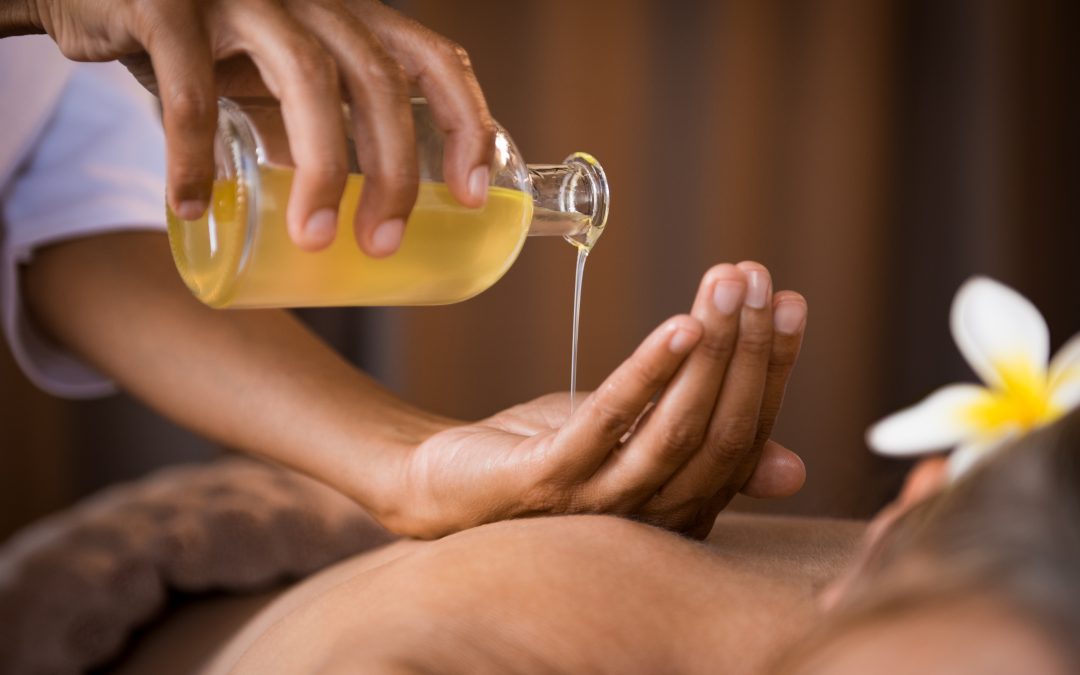
              Massage has been a cherished form of therapy and relaxation for centuries, with its roots tracing back to ancient civilizations. One integral element that enhances the massage experience is the use of oils. These oils not only facilitate the smooth gliding of the therapist’s hands but also bring a myriad of therapeutic benefits to the table. In the study of HEALTH AND SKINCARE / SOMATOLOGY / BEAUTY AND NAILS / HAIR AND BEAUTY / COSMETOLOGY / MASSAGE TECHNOLOGY, we will explore the diverse world of massage oils, from their origins to their unique properties and how they contribute to the overall well-being of both body and mind.

                  The Ancient Roots:

                  The tradition of using oils for massage can be found in various cultures around the globe. In ancient Egypt, Greece, and Rome, oils were used not only for their lubricating properties but also for their symbolic and therapeutic significance. The practice spread to Asia, where Ayurvedic and Traditional Chinese Medicine embraced the use of oils for massage as a means of balancing the body’s energy.

                  Choosing the Right Oil:

                  In HEALTH AND SKINCARE / SOMATOLOGY / BEAUTY AND NAILS / HAIR AND BEAUTY / COSMETOLOGY / MASSAGE TECHNOLOGY we learn that selecting the appropriate massage oil is crucial to tailor the experience to individual needs and preferences. There is a vast array of oils to choose from, each with its unique characteristics. Here are some popular choices:

                  1. Sweet Almond Oil:
                    • Rich in vitamins A and E, promoting skin health
                  2. Jojoba Oil:
                    • Mimics the skin’s natural oils
                  3. Coconut Oil:
                    • Nourishing and hydrating
                  4. Grapeseed Oil:
                    • High in antioxidants
                  5. Olive Oil:
                    • Contains antioxidants and vitamins
                  Therapeutic Benefits:

                  Massage oils contribute not only to the tactile pleasure of the massage but also to its therapeutic effects. The choice of oil can enhance relaxation, ease muscle tension, and even provide specific benefits:

                  1. Lavender Oil:
                    • Calming and stress-relieving promotes better sleep, alleviates headaches
                  2. Peppermint Oil:
                    • Refreshing eases muscle soreness, improves mental alertness
                  3. Chamomile Oil:
                    • Soothing and anti-inflammatory, calms irritated skin, induces a sense of relaxation
                  4. Eucalyptus Oil:
                    • Clears respiratory passages, relieves congestion
                  Conclusion:

                  The use of oils in massage is a harmonious blend of tradition and science, offering a multisensory experience that promotes both physical and mental well-being. As we journey through the diverse array of oils, each with its unique properties and benefits, it becomes clear that the choice of oil is as much an art as it is a science. So, the next time you indulge in a massage, take a moment to appreciate the symphony of senses orchestrated by the careful selection of massage oils, adding depth and richness to an ancient practice that continues to bring comfort and healing in the modern world.