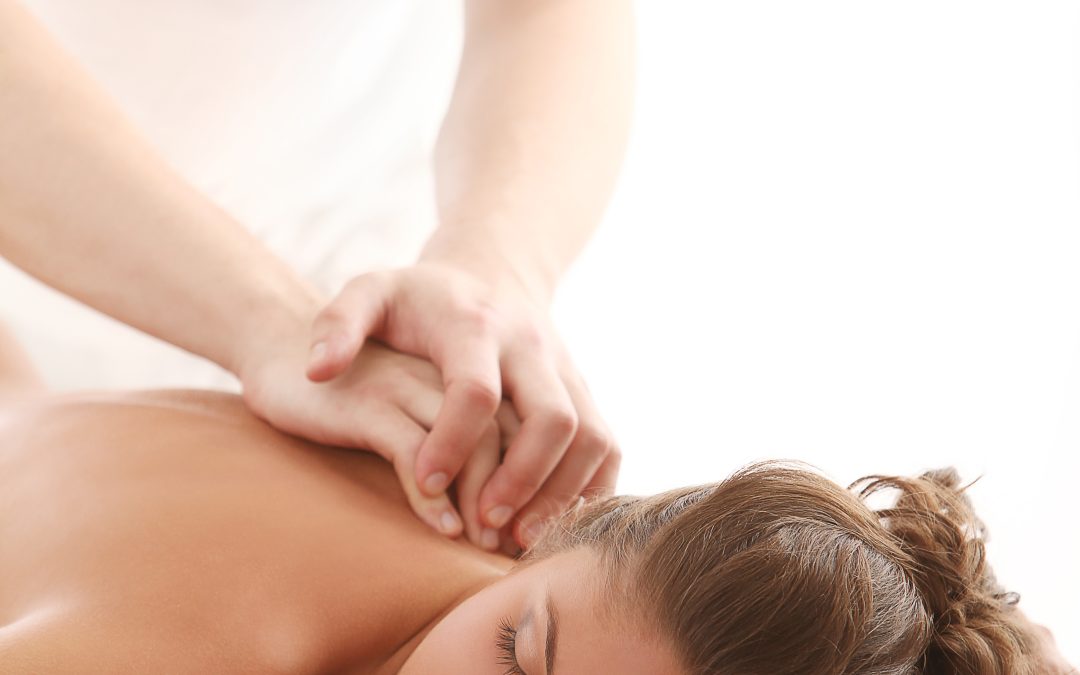
The Future of MASSAGE THERAPY / BEAUTY AND NAILS / SOMATOLOGY / HEALTH AND SKINCARE: An Evolving Landscape
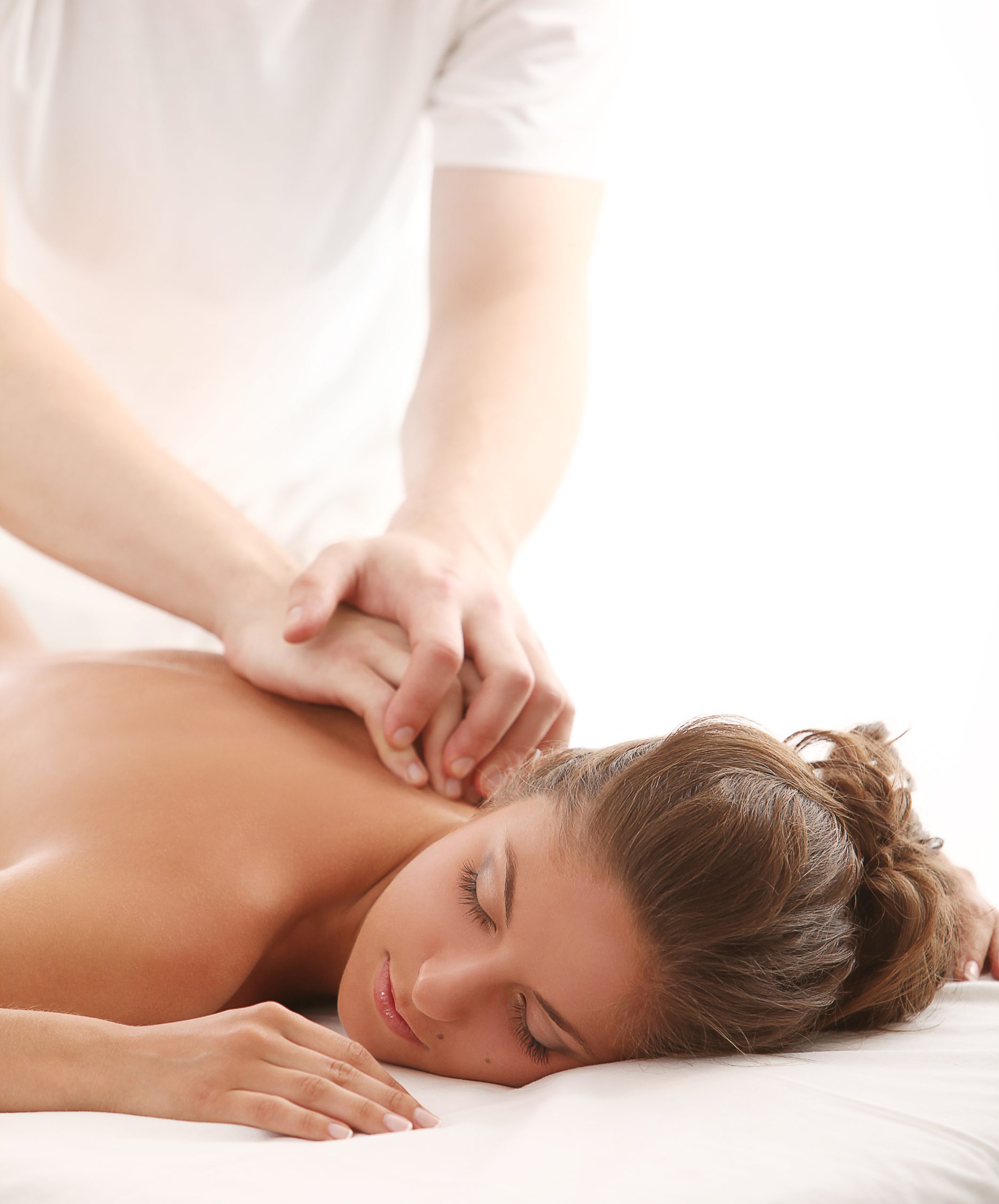
The Future of MASSAGE THERAPY / BEAUTY AND NAILS / SOMATOLOGY / HEALTH AND SKINCARE: An Evolving Landscape

As we contemplate the future of MASSAGE THERAPY / BEAUTY AND NAILS / SOMATOLOGY / HEALTH AND SKINCARE, we find a dynamic industry shaped by technological advancements, a focus on holistic wellness, specialization, increased research, growing acceptance in healthcare, ongoing education, and an emphasis on self-care. These factors collectively usher in an era where MASSAGE THERAPY / BEAUTY AND NAILS / SOMATOLOGY / HEALTH AND SKINCARE not only remains relevant but also becomes an integral part of overall wellness.


Technological Advancements

The influence of technology on the massage industry is undeniable. Salon owners are keen to embrace innovative technological solutions, ranging from virtual reality simulations that replicate the serenity of nature to the integration of advanced equipment for precise, targeted massages. This technological evolution enhances the massage experience and offers clients an array of options.

    Holistic Wellness Focus

    In an age where people increasingly seek natural treatments, the massage industry has witnessed exponential growth. MASSAGE THERAPY / BEAUTY AND NAILS / SOMATOLOGY / HEALTH AND SKINCARE, being a holistic practice with multifaceted physical, mental, and emotional benefits, has thrived. The emphasis on holistic well-being has catapulted the industry to new heights.


    Specialization in the Field

    MASSAGE THERAPY / BEAUTY AND NAILS / SOMATOLOGY / HEALTH AND SKINCARE practitioners are now opting to specialize in specific areas, whether it’s sports massage, prenatal massage, or geriatric massage. Specialization equips therapists to better understand the unique requirements of their chosen clientele, delivering more targeted and effective treatments. The demand for specialized services is on the rise, promising a future where specialization is the norm.


    Increased Research and Evidence-Based Practice

    The mounting research into the benefits and effectiveness of MASSAGE THERAPY / BEAUTY AND NAILS / SOMATOLOGY / HEALTH AND SKINCARE has elevated its status in the healthcare realm. Evidence-based research has solidified the position of massage as a valuable component of health care. As research continues to accumulate, the credibility of MASSAGE THERAPY / BEAUTY AND NAILS / SOMATOLOGY / HEALTH AND SKINCARE will further ascend.


    Growing Acceptance in Healthcare

    Hospitals and healthcare facilities, including hospices, have begun integrating massage therapies into their treatment regimens. Some medical insurance providers now cover MASSAGE THERAPY treatments. The future holds the promise that more medical professionals will recognize massage as a reputable and complementary treatment, incorporating it into their services.


    Continued Education and Professional Development

    The evolving nature of MASSAGE THERAPY / BEAUTY AND NAILS / SOMATOLOGY / HEALTH AND SKINCARE necessitates ongoing education and professional growth. To thrive in this dynamic field, therapists must stay current with the latest techniques and developments. Continuous learning and improvement are pivotal for success in the future of the massage industry.


    Emphasis on Self-Care

    In the midst of today’s fast-paced lifestyle, self-care has gained prominence. People are seeking ways to manage the hustle and bustle, making massage an essential avenue for relaxation and stress relief. MASSAGE THERAPY / BEAUTY AND NAILS / SOMATOLOGY / HEALTH AND SKINCARE aligns perfectly with the growing emphasis on mental, emotional, and physical well-being.

    The future of MASSAGE THERAPY / BEAUTY AND NAILS / SOMATOLOGY / HEALTH AND SKINCARE shines brighter than ever before, presenting exciting opportunities for both clients and therapists. Massage will continue to hold a pivotal role in overall wellness, offering benefits that extend far beyond relaxation. As this dynamic industry evolves, it will remain at the forefront of promoting holistic health and well-being.


    For more information or to enroll in a HAIRDRESSING / HAIR AND BEAUTY / COSMETOLOGY course, contact us at 011 452 2447 or Nicolene@hydroint.co.za. You can also visit our website at www.hydroint.co.za or send us a WhatsApp message at (+27) 082 337 0358.
    Understanding Cruelty-Free Cosmetics: What Does it Mean and How to Find Them

    Understanding Cruelty-Free Cosmetics: What Does it Mean and How to Find Them

    With increasing awareness and concern over ethical practices in various industries, many consumers are turning their attention to the PROFESSIONAL MAKEUP / BEAUTY AND NAIL / HAIR AND BEAUTY / SOMATOLOGY / HEALTH AND SKINCARE / COSMETOLOGY industry. One term that has frequently been popping up is “cruelty-free.” In this article, we delve into what cruelty-free means in cosmetics, how you can find cruelty-free products, and how it differs from vegan cosmetics.

    What is Cruelty-Free in Cosmetics?

    The term ‘cruelty-free’ in cosmetics pertains to products that have been developed without testing on animals. Historically, the safety of cosmetics was demonstrated by testing them on animals’ skin and eyes. This led to the Draize irritancy test becoming a standard in the industry for decades. However, due to the cruelty involved in these tests, animal rights groups have advocated for alternatives to animal testing over the years.


      Today, many companies have abandoned traditional animal testing, opting instead for alternatives such as computer modeling and in vitro lab tests to ensure product safety. Some countries have even banned the sale of cosmetics tested on animals, marking a significant shift in the PROFESSIONAL MAKEUP / BEAUTY AND NAIL / HAIR AND BEAUTY / SOMATOLOGY / HEALTH AND SKINCARE / COSMETOLOGY industry.

      How to Find Cruelty-Free Cosmetics?

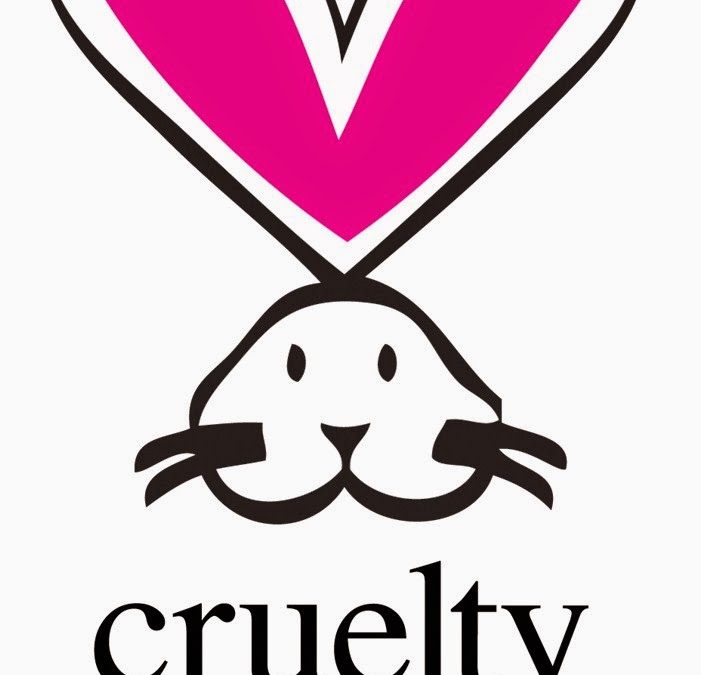
      Identifying cruelty-free products is relatively simple. They are typically marked as “cruelty-free” or “not tested on animals” on their packaging. Additionally, you can look for The Leaping Bunny Logo, an internationally recognized symbol for cruelty-free cosmetics and household products.

      The People for the Ethical Treatment of Animals (PETA) operates Beauty Without Bunnies, an online database of companies that do not test their products on animals, where you can find brands that offer cruelty-free cosmetics.

      Cruelty-Free Vs. Vegan: What’s the Difference?

      It’s important to note that the terms ‘cruelty-free’ and ‘vegan’ are not interchangeable. While cruelty-free refers to products that are not tested on animals, vegan products are made without ingredients derived from animals, such as honey, beeswax, lanolin, and keratin. This distinction applies to all kinds of products, including skincare, makeup, and even vegan hair care.

      Therefore, a cosmetic product can be labeled as both cruelty-free and vegan if it has not been tested on animals and does not contain any animal-derived ingredients. This means a product can be cruelty-free but not vegan if it contains animal-derived ingredients, and vice versa.

      In conclusion, understanding what cruelty-free means and how to find such products is crucial for PROFESSIONAL MAKEUP / BEAUTY AND NAIL / HAIR AND BEAUTY / SOMATOLOGY / HEALTH AND SKINCARE / COSMETOLOGY professionals interested in supporting ethical practices in cosmetics. Not only does this help protect animals from unnecessary harm, but it also pushes the industry towards more humane practices and innovative solutions.


      For more information or to enroll in a PROFESSIONAL MAKEUP / BEAUTY AND NAIL / HAIR AND BEAUTY / SOMATOLOGY / HEALTH AND SKINCARE / COSMETOLOGY course, contact us at 011 452 2447 or Nicolene@hydroint.co.za. You can also visit our website at www.hydroint.co.za or send us a WhatsApp message at (+27) 082 337 0358.
      Summer Hair Care According to HAIRDRESSING / COSMETOLOGY / HAIR AND BEAUTY Specialists

      Summer Hair Care According to HAIRDRESSING / COSMETOLOGY / HAIR AND BEAUTY Specialists

      Summer is here, and it’s not just our skin that needs protection from the sun, heat, and swimming pools – our hair does, too! Just like our skin, our hair can get dry and damaged from exposure to summer UV rays, harmful chemicals like chlorine, or excessive use of heat-styling tools. But fear not, there are simple remedies and protective strategies advised by HAIRDRESSING / HAIR AND BEAUTY / COSMETOLOGY experts that you can use to maintain your hair’s health and shine throughout the season. Let’s dive into some essential summer hair care tips!

      Protecting Your Hair from UV Rays

      Our hair, much like our skin, needs protection from harmful UV rays. Did you know there are products out there designed specifically to shield your hair from the sun, just like sunscreen does for your skin? HAIRDRESSING / HAIR AND BEAUTY / COSMETOLOGY experts have confirmed the availability of such products. When you’re spending a lot of time outside, it’s crucial to protect not only the integrity of your hair but also any color services you may have had.

        Preventing Pool Hair

        Have you ever noticed a greenish tint in your hair after a few summer pool parties? That’s the result of chlorine in pool water. But there’s a simple trick to prevent this – wet your hair before jumping in the pool. When your hair is already wet, it won’t soak up as much chlorine water.

        For added protection, HAIRDRESSING / HAIR AND BEAUTY / COSMETOLOGY experts advise you to use a leave-in conditioner before taking the plunge. This product will not only hydrate your hair but also act as a protective layer against the damaging effects of chlorine.


        So there you have it – simple, practical tips to keep your hair healthy, shiny, and vibrant throughout the summer. Remember, our hair is just like our skin – it needs protection and care to withstand the harsh summer conditions. With these tips and products, you’re well-equipped to maintain beautiful hair all summer long!


        For more information or to enroll in a HAIRDRESSING / HAIR AND BEAUTY / COSMETOLOGY course, contact us at 011 452 2447 or Nicolene@hydroint.co.za. You can also visit our website at www.hydroint.co.za or send us a WhatsApp message at (+27) 082 337 0358.
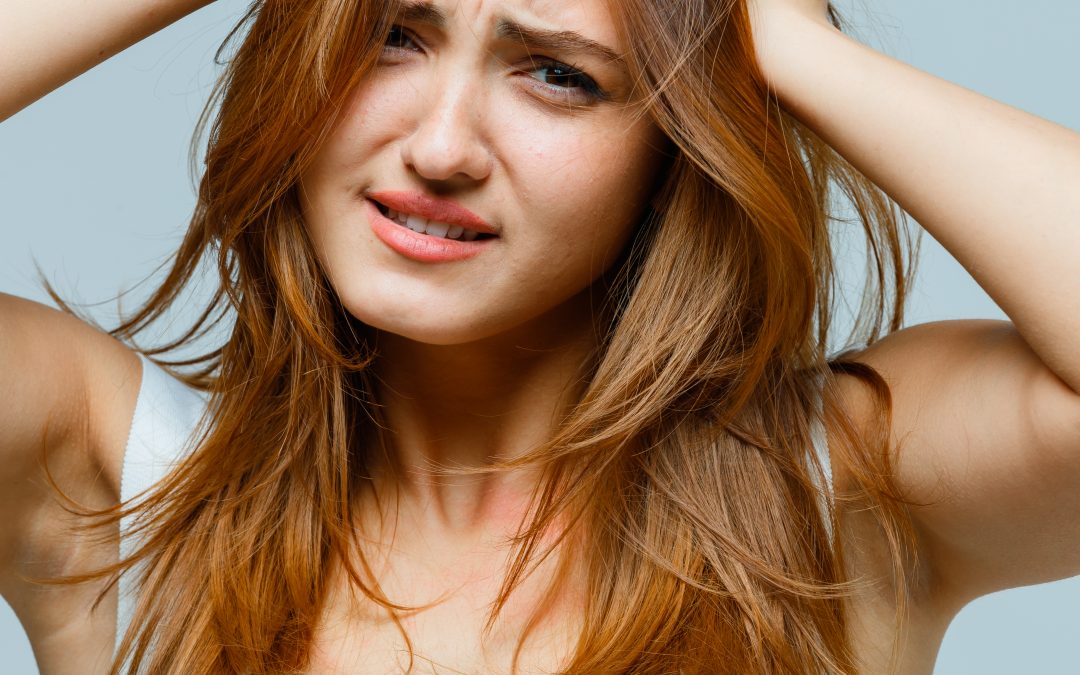
        Why Does My Scalp Hurt? Top 10 Reasons and Solutions According to HAIRDRESSING / COSMETOLOGY / HAIR AND BEAUTY Specialists

        Why Does My Scalp Hurt? Top 10 Reasons and Solutions According to HAIRDRESSING / COSMETOLOGY / HAIR AND BEAUTY Specialists

        If you’ve ever felt like your hair hurts, know that you’re not alone. Scalp pain and tenderness can range from being a minor annoyance to downright unbearable. Unfortunately, the aging process can make us more susceptible to scalp pain. You may notice an increase in scalp sensitivity due to hormonal changes that exacerbate scalp tenderness. While there are numerous causes of scalp pain, fortunately, there are also several treatment options available. This article explores the top 10 most common causes of scalp pain and offers tips for treatment and prevention as shared by HAIRDRESSING / HAIR AND BEAUTY / COSMETOLOGY experts.

        1. Migraines

        Migraine sufferers often describe a unique and unbearable pain that can also cause scalp sensitivity. A migraine is a type of headache that can cause severe pain, often accompanied by symptoms like nausea, vomiting, sensitivity to light and sound, vision changes, and decreased concentration. When it comes to your scalp, migraines can cause symptoms and pain including scalp tenderness due to the inflammation of blood vessels at the top of the head. Triggers for migraines can include hormonal changes, stress, reactions to certain foods and drinks, and some medications. Prevention strategies include avoiding triggers and possibly taking medication to alleviate symptoms.

          2. Infections of the Hair Follicles

          Scalp pain can also be a symptom of hair follicle infections caused by bacteria, fungal infections, and viruses. These infections, collectively known as folliculitis, can cause symptoms like redness, itching, tenderness, and swelling of the scalp. Treatment depends on the cause and may include topical ointments, oral antibiotics, antifungal ointments, or specialized shampoos.

          3. Tight Hairstyles

          Tight hairstyles like ponytails, buns, cornrows, dreadlocks, weaves, extensions, and tight braids can pull at the scalp, causing tenderness and even traction alopecia. Loosening your hairstyle or alternating between loose and tight styles can help prevent this kind of scalp pain.

          4. Stress

          Stress can cause physical symptoms like scalp pain, as well as a host of other symptoms. Effective stress management techniques can help alleviate scalp pain and improve overall wellness.

          5. Allergic Reactions

          Allergic reactions to hair care products like shampoos, conditioners, gels, and hairsprays can cause scalp pain. Opting for products with natural ingredients or doing a “spot test” before using a new product can help prevent these reactions.

          6. Sunburns

          Scalp sunburns can be particularly painful and can occur even if you have hair. Preventing scalp sunburns by wearing a sun hat and treating them with cold water, cold compresses, and moisturizers can help alleviate this type of scalp pain.

          7. Auto-immune Disorders

          Autoimmune disorders can also cause scalp pain as they can lead to conditions like psoriasis, alopecia, and nerve damage. If you have an autoimmune disorder and are experiencing scalp pain, it’s important to consult with a medical professional for appropriate treatment options.

          8. Dandruff

          Dandruff, caused by yeast on a dry scalp or oil buildup, can lead to scalp itching and pain. A doctor should be consulted if the dandruff also includes pain, sores, and redness.

          9. Alopecia Areata

          Alopecia areata is an autoimmune disease that attacks the scalp and skin cells, damaging the follicles and causing hair loss. Stress plays a major role in the disease, as it does with all autoimmune diseases.

          10. Hormones

          For women, hormonal changes during periods or menopause can cause scalp pain due to increased prostaglandin production and inflammation.

          How To Treat (and Prevent!) Scalp Pain

          HAIRDRESSING / HAIR AND BEAUTY / COSMETOLOGY experts all agree effective treatment and prevention of scalp pain involve treating your scalp with delicate care and special attention. This could involve avoiding tight hairstyles, managing stress levels, and visually checking your scalp for any signs of irritation. If your scalp pain is due to a skin condition or rash, visiting a dermatologist is advisable. Over-the-counter treatment methods could also be your course of action for less severe cases. Always consult with a medical professional if you’re unsure about the cause of your scalp pain.

          Conclusion

          Scalp tenderness isn’t something you should have to deal with. Determining the cause of what could be the reason or reasons behind your scalp pain is the first step to relief. Whether your scalp pain is due to lifestyle factors like wearing high ponytails, or it could be a medical condition, knowing the most common causes can help you establish what to do to feel better. Consulting a HAIRDRESSING / HAIR AND BEAUTY / COSMETOLOGY expert is advisable should you not be able to identify the cause. Always keep in mind that this article is not meant to replace medical advice but rather to inform you.


          For more information or to enroll in a HAIRDRESSING / HAIR AND BEAUTY / COSMETOLOGY course, contact us at 011 452 2447 or Nicolene@hydroint.co.za. You can also visit our website at www.hydroint.co.za or send us a WhatsApp message at (+27) 082 337 0358.
          Let’s Talk HAIRDRESSING / HAIR AND BEAUTY: Essential Hair Care Tips

          Let’s Talk HAIRDRESSING / HAIR AND BEAUTY: Essential Hair Care Tips

          As you may have noticed, the changing of the seasons can be brutal on your hair. Getting your hair routine right can be a bit tricky, especially when you aren’t sure of the steps to follow and when there are so many different options for all hair types. In this blog post, we’ll explore the different hair types, discuss some common hair care practices, and provide tips for maintaining healthy, vibrant hair shared by HAIRDRESSING / HAIR AND BEAUTY experts.

          Understanding Hair Types

          Hair can be broadly categorized under the following types: straight, wavy, curly, and kinky. Each of these hair types has its pros and cons, but all hair care routines share a few things in common.

            Essential Hair Care Tips

            Regardless of your hair type, here are some tips to help you begin your journey to keeping your hair healthy and safe:

            Deep Conditioning

            Deep conditioning your hair is an effective way of combating dryness and reviving your locks. Incorporating essential oils like peppermint oil, rosemary, or lavender, to name a few, into your conditioning routine can do wonders. Remember to use a carrier oil that suits your scalp type to dilute your essential oil of choice.

            Detangling

            Detangling should be your best friend to prevent breakages and make your life much easier. The frequency of this process will depend on your hair type. Make sure you use the right tool so that you don’t pull your hair out.

            Using Mild Shampoos

            Opt for shampoos that don’t contain any harsh chemicals. These are beneficial as they won’t strip your hair of its natural oils.

            Soothing Your Scalp

            Applying Aloe Vera on your scalp and hair is essential as it controls the production of sebum and soothes an itchy scalp. You can let it sit for 15-30 minutes before washing your hair off with a mild shampoo, or you could leave it in overnight.

            Oiling Your Hair

            Regularly oiling your hair is quite helpful, especially for people with dry scalps. This practice strengthens hair roots and nourishes your scalp.

            Maintaining a Healthy Diet

            Eating fruits helps feed your hair with nutrients and other essential oils. Fruits like blackcurrants, blueberries, broccoli, guava, kiwi fruits, oranges, and more can make a significant difference to your hair health. Also, staying hydrated by drinking water will help keep your scalp hydrated and allow you to flush out any toxins.

            Conclusion

            Depending on your hair type, it may take a while for your hair to adjust to a certain routine. Keep exploring your options and speak to a professional if you feel like you can’t get it right. Remember, healthy hair can significantly boost your confidence and improve your overall well-being. Happy hairdressing!

            For more information or to enroll in a HAIRDRESSING / HAIR AND BEAUTY / COSMETOLOGY course, contact us at 011 452 2447 or Nicolene@hydroint.co.za. You can also visit our website at www.hydroint.co.za or send us a WhatsApp message at (+27) 082 337 0358.

            Healthy hair saves lives!