How to Become a Professional Makeup Artist in South Africa

How to Become a Professional Makeup Artist in South Africa

The beauty industry in South Africa is thriving. From bridal makeovers and fashion shoots to television, film, and everyday glam, professional makeup artists are in constant demand. If you are creative, passionate about beauty, and love working with people, becoming a professional makeup artist could be the perfect career path.

In this guide, we break down exactly how to become a professional makeup artist in South Africa — and how the right training can set you up for long-term success.
What Does a Professional Makeup Artist Do?

A professional makeup artist enhances clients’ appearance using advanced makeup techniques tailored to different occasions and industries.

You may work in:

  • Bridal and special occasion makeup
  • Fashion and editorial shoots
  • Television and film
  • Theatre productions
  • Beauty salons and spas
  • Freelance or mobile makeup services

A skilled makeup artist understands:

  • Skin types and tones
  • Colour theory
  • Product selection and hygiene
  • Face shapes and contouring
  • Lighting for photography and events


Step 1: Get Professional Training

While natural talent helps, professional training is essential to stand out in South Africa’s competitive beauty industry.

A recognised makeup qualification provides:

  • Structured practical training
  • Professional techniques and industry standards
  • Client consultation skills
  • Hygiene and sanitation protocols
  • Portfolio development
  • Business and entrepreneurship guidance

At Hydro International College, one of the best makeup colleges in South Africa, we offer accredited beauty programmes designed to prepare students for real industry work. Our training ensures students are confident, job-ready, and skilled.

We provide full-time courses that focus on hands-on learning in a professional training environment.


Step 2: Practice and Build Your Portfolio

Your portfolio is your visual CV.

Start by:

  • Practising on friends and family
  • Creating before-and-after images
  • Collaborating with photographers and hairstylists
  • Showcasing different makeup styles (natural, glam, editorial, bridal)

High-quality photos will help you attract clients and employers.


Step 3: Gain Experience

Once qualified, gaining practical experience is key.

You can:

  • Work in a salon or beauty clinic
  • Assist experienced makeup artists
  • Offer freelance services
  • Work at events and weddings
  • Partner with photographers

Experience builds confidence, speed, and professionalism.


Step 4: Build Your Brand

In today’s digital world, visibility is everything.

Successful makeup artists in South Africa use:

  • Instagram and TikTok
  • WhatsApp Business
  • Google Business Profiles
  • Personal websites

Consistency, professional photos, and client testimonials will help grow your reputation.


Step 5: Understand the Business Side

Being a professional makeup artist is also about running a business.

You need to understand:

  • Pricing your services
  • Client bookings and deposits
  • Product costs
  • Marketing strategies
  • Professional communication

Training that includes business fundamentals gives you a competitive advantage.


Career Opportunities in South Africa and Abroad

A qualification in makeup artistry can open doors to:

  • Working locally in salons and studios
  • Starting your own beauty business
  • Freelancing internationally
  • Cruise ships and destination weddings
  • Film and television productions

South Africa’s beauty industry continues to grow, and skilled professionals are always in demand.


Why Choose the Right College?

Choosing a reputable institution makes a significant difference in your success.

At Hydro International College in Edenvale, Gauteng, students receive:

  • Practical, hands-on training
  • Industry-experienced lecturers
  • Professional equipment and facilities
  • Career guidance
  • Supportive learning environment

Our programmes are designed to equip students with the confidence and skills needed to succeed in the beauty industry.


Ready to Start Your Makeup Career?

If you are passionate about beauty and ready to turn your creativity into a career, becoming a professional makeup artist in South Africa is a smart and rewarding choice.

With the right training, dedication, and practical experience, you can build a successful career doing what you love.

Visit our campus in Edenvale
Contact us to learn more about enrolment
Explore our courses online

Your journey into the beauty industry starts with one step — and the right education makes all the difference.
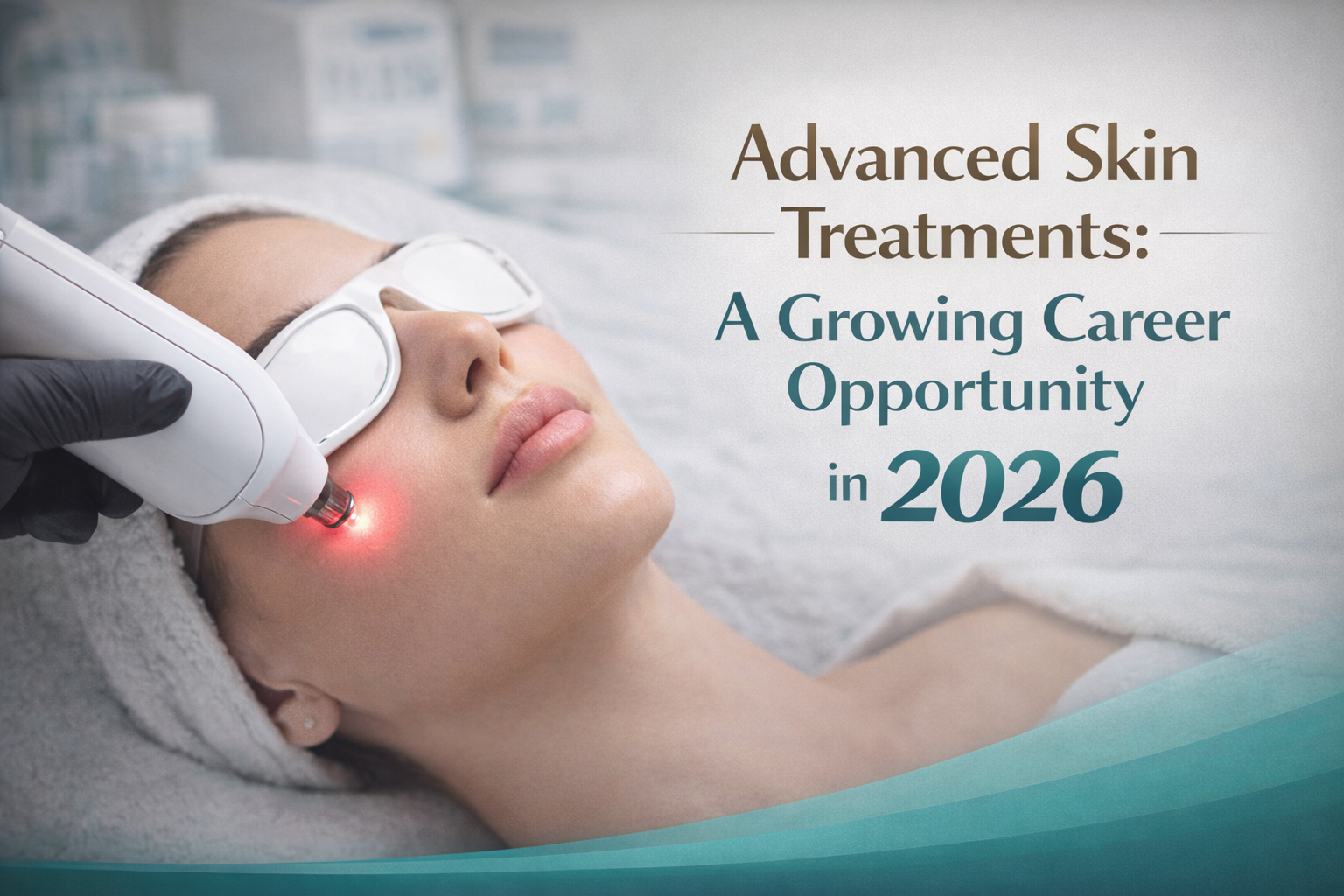
 

Advanced Skin Treatments: A Growing Career Opportunity in South Africa in 2026

Advanced Skin Treatments: A Growing Career Opportunity in South Africa in 2026

The skincare industry in South Africa is evolving rapidly. Clients are no longer looking for basic facials only — they want results-driven treatments that address real skin concerns.

This has led to a growing demand for professionals trained in advanced skin treatments. If you are passionate about skincare and want a career that combines science, technology, and beauty, 2026 is the perfect time to enter this field.

What Are Advanced Skin Treatments?

Advanced skin treatments go beyond traditional facials. They are designed to target specific skin concerns such as:

  • Acne and breakouts
  • Hyperpigmentation
  • Fine lines and ageing
  • Uneven skin tone
  • Skin texture and scarring

These treatments may include:

  • Microneedling
  • Chemical peels
  • Skin rejuvenation procedures
  • Advanced facial technology
  • Targeted corrective treatments

As skincare awareness increases, more clients are investing in professional solutions.

Why Advanced Skin Treatments Are in High Demand

The demand for qualified skincare professionals is rising because:

  • Social media promotes flawless skin trends
  • Clients seek non-invasive solutions
  • Skin health awareness is increasing
  • Preventative skincare is becoming popular
  • More people are prioritising self-care

In Gauteng and across South Africa, professional skincare services continue to expand.

Career and Income Opportunities

Advanced skin treatments are considered specialised services, which means:

  • Higher earning potential
  • Repeat treatment plans
  • Package pricing opportunities
  • Clinic-based employment
  • Self-employment potential

Qualified professionals can work in:

  • Beauty clinics
  • Skin treatment centres
  • Medical aesthetic environments
  • Luxury spas
  • Private skincare studios

With proper training and experience, this field offers long-term growth and financial stability.

Study Advanced Skin Treatments at Hydro International College

Choosing a reputable training institution is essential when studying specialised skincare.

At Hydro International College in Edenvale, Gauteng, students receive:

✔ Practical, hands-on training
✔ Skin analysis education
✔ Hygiene and safety protocols
✔ Client consultation skills
✔ Professional treatment techniques
✔ Business and entrepreneurship preparation

We provide full-time courses designed to prepare students for real-world industry success.

Our programmes equip students with the confidence and technical knowledge required to perform advanced skin treatments professionally.

Career Pathways After Qualifying

After completing your qualification, you can:

  • Work in professional skincare clinics
  • Open your own treatment studio
  • Combine services with health and skincare
  • Expand into permanent makeup application
  • Build a specialised skincare brand

Advanced skin treatments offer flexibility, growth, and strong earning potential in the South African beauty industry.

Is Advanced Skincare a Good Career in 2026?

Absolutely — because:

✔ Clients demand results-driven treatments
✔ The skincare industry is expanding
✔ Preventative skincare is growing
✔ Skilled professionals are in short supply
✔ Specialised services offer premium pricing

With the right training and dedication, advanced skin treatments can become a rewarding and profitable career.

Ready to Enrol for 2026?

Start your journey at Hydro International College.

71 12th Avenue, Edenvale, Gauteng
011 452 2447
WhatsApp (Only): +27 82 337 0358
www.hydroint.co.za
nicolene@hydroint.co.za

Hydro International College — training the next generation of skincare professionals in South Africa.

Beauty Courses in Gauteng: 2026 Complete Guide

Beauty Courses in Gauteng: 2026 Complete Guide

If you are looking for beauty courses in Gauteng in 2026, you are choosing one of the fastest-growing industries in South Africa. The beauty and wellness sector continues to expand, creating strong career opportunities in hairdressing, nail technology, massage therapy, skincare, and advanced beauty treatments.

Whether you are finishing matric, changing careers, or upgrading your skills, this complete guide will help you understand what to study, where to study, and how to start your beauty career in Gauteng.

Most Popular Beauty Courses in Gauteng for 2026

Here are the most in-demand beauty qualifications in Gauteng:


Hairdressing Course

Hairdressing remains one of the most stable and rewarding beauty careers in South Africa.

You will learn:

  • Cutting and styling techniques
  • Hair colouring and chemical services
  • Hair treatments and scalp care
  • Client consultation
  • Salon operations

Hairdressers can work in salons, fashion, television, cruise ships, or open their own businesses.


Nail Technology Course

Nail technology is one of the fastest-growing beauty sectors.

Training includes:

  • Gel nail applications
  • Acrylic extensions
  • Nail art techniques
  • Manicures and pedicures
  • Hygiene and safety practices

Because clients return every few weeks, nail technicians can build consistent monthly income.


Massage Technology Course

Massage therapy is ideal for students interested in wellness and relaxation therapy.

You will learn:

  • Swedish massage
  • Body treatments
  • Client assessment
  • Professional ethics
  • Safety procedures

Massage therapists work in spas, wellness centres, hotels, and private practice.


Health and Skincare

Skincare continues to grow as more clients seek professional skin treatments.

This course focuses on:

  • Skin analysis
  • Facial treatments
  • Product knowledge
  • Advanced skin treatments
  • Client care

Qualified professionals can work in beauty clinics or open skincare studios.


Permanent Makeup Application

Permanent makeup is a specialised, high-income skill.

You will learn:

  • Eyebrow enhancement
  • Lip blush procedures
  • Hygiene and pigment safety
  • Client consultation

This service is in growing demand across Gauteng.


Advanced Skin Treatments

Advanced skin treatments focus on corrective and rejuvenation procedures such as:

  • Microneedling
  • Chemical peels
  • Skin rejuvenation
  • Targeted treatment plans

These specialised services offer strong earning potential.


How Long Do Beauty Courses Take?

Course duration depends on the qualification, but most full-time beauty courses in Gauteng take:

  • 6 months to 2 years
  • Depending on the level of certification
  • Practical training included

Full-time study allows students to qualify faster and enter the workforce sooner.


Can You Study Beauty After Matric?

Yes.

Many beauty colleges in Gauteng accept students after Grade 12. In most cases, you do not need university admission to start your beauty career.

Beauty is a skills-based industry — meaning your practical training and certification matter most.


Career Opportunities After Studying Beauty

After qualifying, you can:

  • Work in professional salons
  • Join wellness spas
  • Become self-employed
  • Open your own salon
  • Work internationally
  • Expand into entrepreneurship

The beauty industry offers flexibility and financial growth.


Study at Hydro International College

If you are searching for a reputable beauty college in Gauteng, Hydro International College in Edenvale offers professional training designed to prepare students for real industry success.

We provide full-time courses in:

  • Hairdressing
  • Nail enhancement training
  • Massage technology
  • Health and skincare
  • Permanent makeup application
  • Advanced skin treatments
  • Hair and beauty, more commonly known as cosmetology

Our programmes focus on:

  • Practical, hands-on training
  • Real client experience
  • Professional salon environment
  • Industry-experienced lecturers
  • Career-focused education
  • Entrepreneurial skills development

As one of the best hairdressing colleges in Gauteng, we prepare students for both employment and self-employment opportunities.


How to Apply for Beauty Courses in Gauteng

To enrol:

  1. Choose your preferred course
  2. Contact the college for admission requirements
  3. Submit required documentation
  4. Secure your place for 2026

Early application is recommended, as spaces are limited.


Is 2026 a Good Time to Study Beauty?

Yes.

The beauty industry in South Africa continues to grow due to:

  • Increased grooming awareness
  • Social media influence
  • Rising wellness trends
  • Entrepreneurial opportunities
  • Consistent client demand

Starting your beauty qualification in 2026 positions you ahead of growing market demand.


Ready to Start Your Beauty Career in Gauteng?

Begin your journey with Hydro International College in Edenvale.

71 12th Avenue, Edenvale, Gauteng
011 452 2447
WhatsApp (Only): +27 82 337 0358
www.hydroint.co.za
nicolene@hydroint.co.za

Hydro International College — shaping the future of beauty professionals in Gauteng and across South Africa.


Health & Skincare Courses in South Africa: Study Locally or Work Internationally

Health & Skincare Courses in South Africa: Study Locally or Work Internationally

If you are looking for a career in health and skincare that offers long-term growth, flexibility, and international opportunities, now is the perfect time to enter the industry. The global wellness sector is expanding rapidly, and professionally trained health and skincare practitioners are in high demand — both in South Africa and abroad.

At Hydro International College, students receive industry-relevant training that prepares them for real-world careers in health and skincare, with the opportunity to work locally or internationally after qualification.


Why Health & Skincare Is a High-Demand Career

Health and skincare has evolved into a professional wellness career that combines science, practical skills, and client care. Trained practitioners are valued for their understanding of skin health, wellness principles, and professional treatment delivery.


Health and skincare training focuses on:

  • Skin structure and function
  • Anatomy and physiology
  • Health and lifestyle influences on the skin
  • Professional consultations and client care
  • Safe and effective advanced skin treatments


This strong foundation allows graduates to work confidently across a variety of wellness and skincare environments.


Study Health & Skincare at Hydro International College

Hydro International College is recognised as one of the best training institutions for wellness, hair and beauty education in South Africa. Located in Edenvale, Gauteng, the college offers full-time and part-time courses with a strong focus on hands-on, practical training.


Students benefit from:

  • Accredited qualifications
  • Practical, industry-based training
  • Experienced lecturers
  • Career-focused education
  • Support for local and international career pathways


Training is designed to prepare students for immediate employment and long-term career growth.


Health & Skincare Career Opportunities in South Africa

Qualified health and skincare professionals can pursue careers in:

  • Health and skincare clinics
  • Day spas and wellness centres
  • Luxury hotels and lodges
  • Health and lifestyle centres
  • Advanced skin treatment environments
  • Self-employment or private practice


With growing awareness of skin health and wellness, the demand for professionally trained practitioners continues to rise across South Africa.


International Work Opportunities After Qualification

One of the biggest advantages of studying health and skincare is the ability to work internationally after qualifying. With recognised training, graduates can apply for positions worldwide.

Work in Resorts and Hotels Abroad

The global wellness tourism industry is booming. Resorts and hotels seek trained health and skincare professionals to work in spa and wellness departments, providing high-quality guest experiences.


Benefits may include:

  • International work experience
  • Competitive earning potential
  • Accommodation and meals
  • Exposure to global wellness trends


Cruise Ship Careers in Health & Skincare

Cruise ships offer exciting international career opportunities for health and skincare graduates.


Professionals working onboard cruise liners may:

  • Work in world-class spa facilities
  • Treat international clients daily
  • Travel to multiple countries while employed
  • Gain valuable global industry experience


Cruise ship contracts allow graduates to build strong international CVs while earning and travelling.


Why Choose a Career in Health & Skincare?

A career in health and skincare offers:

  • Strong job demand locally and internationally
  • Flexible working environments
  • Opportunities for self-employment
  • Personal and professional growth
  • A globally transferable skillset


This career path is ideal for those passionate about wellness, skin health, and helping others feel confident and cared for.


Enrol for Health & Skincare Courses at Hydro International College

If you are ready to start a career in health and skincare, Hydro International College offers the training and support you need to succeed.

African Bridal Hairstyles in HAIRDRESSING / HAIR AND BEAUTY / COSMETOLOGY

African Bridal Hairstyles in HAIRDRESSING / HAIR AND BEAUTY / COSMETOLOGY

HAIRDRESSING / HAIR AND BEAUTY / COSMETOLOGY plays a significant role in African bridal hairstyles, which vary widely based on the country, culture, and traditions within the continent. Here are a few popular styles from different regions:

Bantu Knots:

Originating from South Africa, these small, coiled knots can be styled in various patterns and are often adorned with accessories or beads.

Gele:

This Nigerian headwrap, made with colourful fabric, is often worn as part of traditional wedding attire. It can be styled in different ways, showcasing intricate folds and patterns.

Ethiopian Braids:

Ethiopian brides often wear beautifully intricate braided hairstyles adorned with beads, cowrie shells, or even gold thread, reflecting their cultural heritage.

Maasai Braids:

Maasai brides from Kenya and Tanzania adorn their hair with colourful beads, creating long, slender braids that hang down as symbols of beauty and cultural identity.

Tignon:

This style, originating from West Africa, involves wrapping and adorning the hair with a colourful scarf. It is often worn by women of African descent during various occasions, including weddings.


South African bridal hairstyles are diverse and reflect the cultural traditions and personal preferences of the bride. Here are some popular styles from different South African cultures:

Zulu Bridal Hairstyles:

Zulu brides often wear intricate headdresses made of beads, cowrie shells, and other traditional elements. The Isicholo, a wide, circular hat-like headpiece, is commonly worn. Braided hairstyles like Bantu knots or elaborate braided updos are also popular.

Xhosa Bridal Hairstyles:

Xhosa brides traditionally wear a headdress called the intsimbi, which is a series of strings of beads that cover the hair. Some brides also opt for stylish updos, or braided hairstyles adorned with beads.

Sotho Bridal Hairstyles:

Sotho brides often wear a traditional hat called the Mokorotlo. The hair is styled in intricate braids, sometimes decorated with beads or cowrie shells. Some brides also choose elegant updos.

Ndebele Bridal Hairstyles:

Ndebele brides are known for their colourful beadwork, and their hairstyles often involve intricate braids adorned with beads, shells, or colourful threads. The amashangwane hairstyle, consisting of multiple twisted braids, is a common choice.

Cape Malay Bridal Hairstyles:

The Cape Malay community incorporates its cultural heritage into bridal hairstyles, with brides often choosing beautifully styled hair adorned with flowers, intricate braids, or elegant updos.


These are just a few examples, but African bridal hairstyles are incredibly diverse and often carry significant cultural and symbolic meaning, highlighting the beauty and heritage of each community. HAIRDRESSING / HAIR AND BEAUTY / COSMETOLOGY within African cultures blends traditional elements with modern trends to create stunning looks for brides on their special day.


Hydro International College, one of the best hairdressing colleges, offers a comprehensive HAIRDRESSING / HAIR AND BEAUTY / COSMETOLOGY course, designed to teach students the art and techniques of creating beautiful bridal hairstyles, including many of the traditional and contemporary styles popular in African cultures.