SOMATOLOGY/HEALTH AND SKINCARE/BEAUTY THERAPY in Deep tissue massage

The human body has layers of muscles – muscles on top of muscles. Deep tissue massage is an advanced technique focused on manipulating deeper layers of muscles and connective tissue.

The main focus of therapists in SOMATOLOGY/HEALTH AND SKINCARE/BEAUTY THERAPY is realigning the deeper layers of connective and muscle tissue. Through gentle strokes and deep finger pressure on the tight areas, either following or going over the fibres of the muscles, tendons, and fascia, it tries to relieve the chronic patterns of tension in the body.

It is especially beneficial for areas that are constantly contracted and tight, such as stiff necks, low back pain, and aching shoulders.

Therapists in the field of SOMATOLOGY/HEALTH AND SKINCARE/BEAUTY THERAPY use deep tissue to reduce discomfort, break up scar tissue and adhesions, and enhance muscle function and range of motion. It is believed that strained muscles limit the flow of nutrients and oxygen, causing inflammation and the accumulation of toxins in the muscle tissue.

A deep tissue massage may aid in releasing toxins from the muscles, easing tight muscles, and improving blood and oxygen circulation. It is advised to drink a lot of water after a deep tissue session to aid in the body’s removal of the numerous toxins that are released.

Many of the movements and methods used in deep tissue massage are similar to those in more conventional superficial massage. The distinction is that the pressure will typically be placed on painful and tense places and be more intense overall.

Although the movements are the same, the strokes are slower and deeper. Most people discover that there is typically some discomfort and suffering during various parts of the massage. It’s crucial to let the therapist know if there are any sensitive areas for you and if the discomfort you feel is excessive. The treatment might occasionally become intense due to the focused nature of the session.

After a deep tissue massage, there may occasionally be some stiffness or discomfort, but this should pass after a day or two. Following a deep tissue massage, the massage therapist in the field of SOMATOLOGY/HEALTH AND SKINCARE/BEAUTY THERAPY could advise cooling the affected area with ice.

A “hard massage” is only one aspect of a deep tissue massage. Instead of just relaxing the muscles, precise lengthening of the fascia, muscles, and tendons has various advantages, including improved posture, quicker injury healing, and enhanced joint mobility.

Frequently, deep tissue massage is employed to treat:

  • Pain Limits Mobility Chronic
  • Recuperation after Injuries (e.g. whiplash, falls, and sports injuries)
  • Injury from Repetitive Strain (carpal tunnel syndrome)
  • Posture issues
  • Pain from osteoarthritis, muscle tension, or spasm.
Somatology / Health and Skincare / Beauty and Nail Technology / Aesthetics / Cosmetology in Underpainting

2023 has barely started and underpainting, a term coined by makeup artist Mary Phillips, has already gone viral on TikTok and other social media platforms, with more than 60 million views on TikTok.

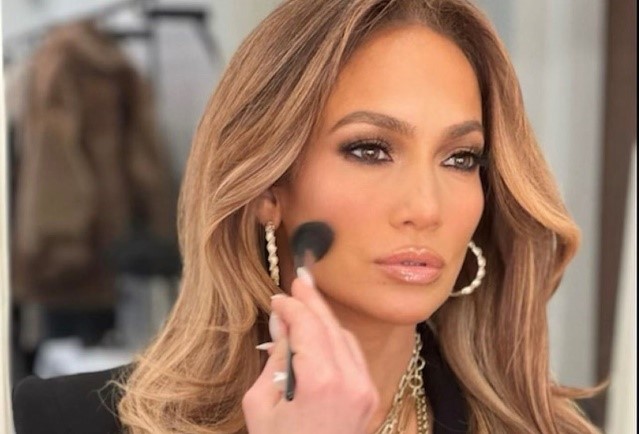
While the delight concerning this trending technique may be new, it’s been in makeup circles for years. SOMATOLOGY / HEALTH AND SKINCARE / BEAUTY AND NAIL TECHNOLOGY / AESTHETICS / COSMETOLOGY practitioners who studied in the ’90s and early 2000s were taught this technique as a standard practice when applying makeup. Celebrities who use this technique include Hailey Bieber, Kendall Jenner, and Jennifer Lopez.

But what is underpainting?

Mary Phillips’ underpainting technique is actually really simple. It is basically reversing the order that you’re probably used to applying your makeup. SOMATOLOGY / HEALTH AND SKINCARE / BEAUTY AND NAIL TECHNOLOGY / AESTHETICS / COSMETOLOGY experts explain that in this trend one starts your makeup routine by applying concealer and doing all contouring before foundation. It defines your natural features, gives the illusion of wearing less makeup, and brings out your natural, glowing skin.

Some individuals and SOMATOLOGY / HEALTH AND SKINCARE / BEAUTY AND NAIL TECHNOLOGY / AESTHETICS / COSMETOLOGY  therapists will even go as far as applying blush, bronzer, and highlighter underneath too.

 But why would anyone apply makeup like this?

Mary Phillips, a celebrity makeup artist, states in the latest fashion magazines that this technique gives a softer, more natural, youthful appearance to the face.

It seems that the “glowing” celebs’ makeup artists achieve the look by using the underpainting technique. Now you can have the same healthy, glowing look every day.


HEALTH AND SKINCARE/SOMATOLOGY/AESTHETICS: Microdermabrasion

The skin’s texture and appearance are both enhanced with microdermabrasion. Stretch marks, skin discoloration, UV damage, and acne scars can all be treated with it microdermabrasion in the field of SOMATOLOGY/HEALTH AND SKINCARE/ AESTHETICS.

Microdermabrasion does have some treatment restrictions, though. Particularly, it cannot completely eliminate wrinkles and is ineffective in treating severe or cystic acne. To help you make an informed decision about receiving treatment, this blog will explain the technique, its benefits, and its drawbacks.

A therapist qualified in HEALTH AND SKINCARE/SOMATOLOGY/AESTHETICS will use a portable instrument during a microdermabrasion procedure to delicately remove the top layer of skin.

Procedures come in two different varieties. With one, the machine spreads small exfoliating crystals across your skin while a vacuum system draws the crystals and the loosening or dead skin back into the machine. The other kind of therapy involves the practitioner gently exfoliating your skin with a diamond-tip wand.

Each session lasts between 30 and 40 minutes. As the process eliminates the superficial skin cells, you can experience a moderate scratching or “sanding” feeling.

You will be instructed to apply sunscreen after the operation because your skin will be more susceptible to the sun’s rays.

Therapists in the field of SOMATOLOGY/HEALTH AND SKINCARE/ AESTHETICS can perform microdermabrasion. There are also kits for at-home microdermabrasion, but these are less efficient and don’t penetrate the skin as deeply.

Microdermabrasion can improve the tone and texture of your skin since it exfoliates deeply. If you undergo a series of treatments, as is advised, you should see an evening out of your skin tone. The appearance of fine lines and superficial wrinkles may soften. Additionally, microdermabrasion can improve the efficacy of anti-aging products and help prevent UV damage.

Even while severe or inflammatory acne cannot be treated with microdermabrasion, minor acne can be improved with a series of treatments that help stop the development of comedones.  Additionally, it can aid in reducing oiliness and minimizing big pores.

Therapists in SOMATOLOGY/HEALTH AND SKINCARE/ AESTHETICS recommend microdermabrasion because you are able to reduce post-inflammatory hyperpigmentation, or dark acne scars that persist after a pimple has healed, in some people using this treatment

The majority of people undergo several microdermabrasion procedures. A normal schedule consists of five to sixteen treatments, separated by a week or more, depending on the cause of the treatments.

But there are limitations to what microdermabrasion can fix; it’s not a miracle cure.

For instance, severe or cystic acne cannot be treated with microdermabrasion. Microdermabrasion can aggravate acne that is already irritated, making it seem and feel worse.

Deep acne scars, such as ice pick or boxcar scars, won’t be improved by microdermabrasion.

It can sometimes make keloid or hypertrophic scars worse and cannot be used to flatten either type of scar. Your dermatologist may be able to cure your acne scars more effectively than microdermabrasion would.

HEALTH AND SKINCARE/ MASSAGE THERAPY/ BEAUTY AND NAILS/ SOMATOLOGY in Manual Lymph Drainage Massage (MLD)

The body’s lymphatic system is a network of vessels, nodes, and organs that work as part of the immune system to carry lymph fluid that is rich in infection-fighting white blood cells throughout the body, while also helping rid the body of waste and excess fluid. The lymphatic system is made up of nodes and vessels, the tonsils, the thymus, and the spleen.

In HEALTH AND SKINCARE/MASSAGE THERAPY/BEAUTY AND NAILS/SOMATOLOGY we learn that the main function of the lymph nodes is to filter out excess fluid and waste products. The average person has approximately 600 to 700 lymph nodes. Lymphocytes (specialized white blood cells) that kill pathogens that might be present are found in the lymph nodes.

Lymph fluid depends on muscle contractions in the surrounding skeletal muscles to move through the lymphatic vessels. However, surgery, medical conditions, aching or discomfort, hardening or thickening of the skin, and recurring infections can cause fluids to build up in your lymph system and your lymph nodes, a condition known as lymphedema.

If you wish to study HEALTH AND SKINCARE/MASSAGE THERAPY/BEAUTY AND NAILS /SOMATOLOGY, you will learn that in order to move waste fluids away from the damaged area, Manual lymphatic drainage massage, which uses gentle pressure, is a technique used to reduce lymphedema. MLD is a systemic, rhythmic method of purposefully stretching the skin to produce an increase in the volume of flow of the lymph fluid through the filtration system of the body.

When performing MLD, it’s important that the massage includes more than just the affected area. The entire body’s lymphatic system except for the head, right side of the chest, and right arm drain near the left shoulder. So, a massage should include all areas to drain properly.

How is lymphedema classified?

Lymphedema is commonly classified into stages based on its severity:

  • Stage 0 (latent). No visible changes are seen, but you may notice changes in sensation, often with achiness or tightness.
  • Stage 1 (mild). Swelling in the affected area can change throughout the day. The tissue will hold an indentation when you press on it (pitting edema). There are no permanent changes in the skin.
  • Stage 2 (moderate). There’s more permanent swelling where your tissue feels spongy to the touch. Inflammation and thickening of the skin occur.
  • Stage 3 (severe). There’s ongoing fluid retention. The affected area hardens and becomes very large. Skin changes are permanent, and there’s often a loss of function.

Areas of pitting edema respond to pressure. For example, when you press on the skin with your finger, it’ll leave an indentation, even after you remove your finger. Chronic pitting edema is often a sign of liver, heart, or kidney problems. It can also be a symptom of a problem with nearby veins.

Applying pressure to non-pitting edema, on the other hand, doesn’t cause any lasting indentation. It’s often a sign of a condition affecting the thyroid or lymphatic system.

Contraindications that apply to MLD include:

  • Congestive heart and renal failure
  • History of blood clot or stroke
  • Active Infection
  • liver problems
  • kidney problems

As a qualified therapist in HEALTH AND SKINCARE/MASSAGE THERAPY/BEAUTY AND NAILS /SOMATOLOGY, you would advise your client to do the following in order to manage their lymphedema amongst other things:

  • Use a compression sleeve/sock to prevent fluid buildup
  • Seeing a qualified therapist for in-office drainage massage
  • Drink water. Well-hydrated tissue helps move out waste materials
  • Try making a few lifestyle changes that will prevent the re-occurrence of the condition
  • Have your doctor take a look at the affected area
  • Perform a few limb exercises to assist with the muscle contractions
  • Pneumatic compression (vests or sleeves that are timed to inflate and deflate to stimulate the proper flow of lymphatic fluid.)

Other General causes of edema:

  • Exercise
  • Hot weather
  • Too much salt
  • Lymphedema
  • Preeclampsia
  • Psoriatic arthritis

Somatology / Health and Skincare / Beauty and Nail Technology / Aesthetics / Cosmetology in Laser Mixing

Laser mixing is a multi-layered approach to tackling different skin concerns. Laser mixing allows SOMATOLOGY / HEALTH AND SKINCARE / BEAUTY AND NAIL TECHNOLOGY / AESTHETICS / COSMETOLOGY therapists to treat all areas of the skin in one session. These treatments must be performed safely by an expert in the field.

Some of the skin imperfections that can successfully be treated with the mixed laser approach include:

Acne breakouts

Varicolored pigmentation

Flare-up of rosacea

After a mixed laser treatment, the overall health of the skin will be stronger and more resilient.

Laser technology is far more effective than traditional SOMATOLOGY / HEALTH AND SKINCARE / BEAUTY AND NAIL TECHNOLOGY / AESTHETICS / COSMETOLOGY treatments, such as peels or micro-needling. It is of the utmost importance that the person carrying out the treatments is experienced. Effective fractional, non-ablative devices, delivering energy in columns and not destroying the top layer of skin, have allowed safer treatments in the skin of color.

Non-invasive and non-abrasive, this is a trend look forward to in 2023!